| OCR Text |
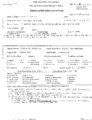
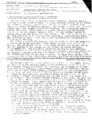
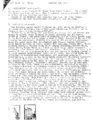
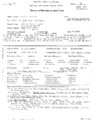
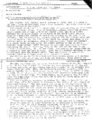
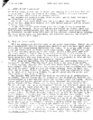
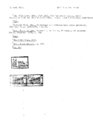
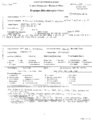
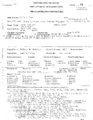
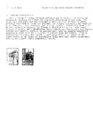
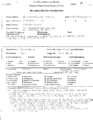
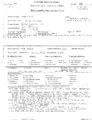
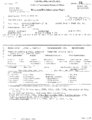
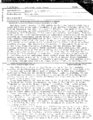
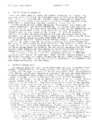
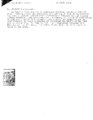
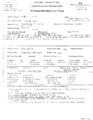
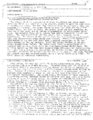
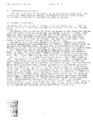
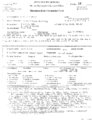
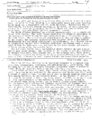
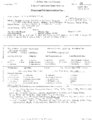
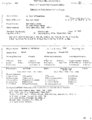
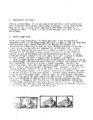
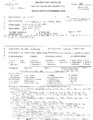
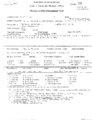
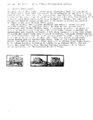
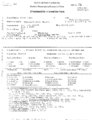
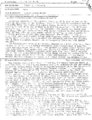
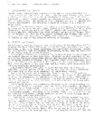
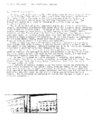
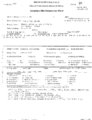
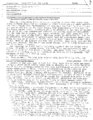
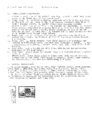
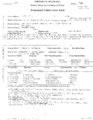
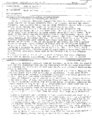
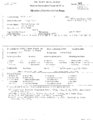
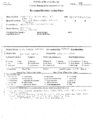
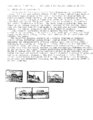
Show S1 re e t A d d re s s: 10 Wes t 100 South________ Architect/Builder^ Building Materials: ________ ^ _ Mendelson-Ornaha, Nebraska Site No: __ ___ _ Kyune sandstone Building Type/Style: Description of physical appearance & significant architectural features: i'ncluds additions, alterations, ancillary structures, and landscaping if applicable) The HcCornick Block was built over a four-year period at a cost of about $300,000. The building is constructed of local Kyune sandstone and brick and is seven stories high. Located on a major business corner, the block had two major entries, one from the east and the other from the south, Remodeling of the bottom 1-1/2 stories at the southeast corner of the building have obliterated the original four-columned eastern entry. Also removed during remodeling was the four foot copper cornice. All other elements of the original exterior design are intact. The "annex" made to thenorth of the original structure was an extension of the initial construction program and is architecturally compatible with the first section of building. The smoothly dressed stone facade, an unusual feature during this Richardsonian Romanesque dominated period, has weathered much better than its rusticated contemporaries. In this respect, the McCornick Block was similar in many ways to the late Dooly Building, designed by Louis Sullivan and built in Salt Lake City at the same time. The McCornick Block originally featured split-level entries with six stories above grade and one semi-subterranean story. The entries have been lowered to grade level. The two street facades of the block aredivided horizontally by four belt courses or with masonry bands. These divisions. occur between the first and second, second and third, third and fourth, ea-d er3bfr~e-ft4--qevertth fI'Qors. Thia traditional divioion of a vor-tioDl; 5 S^tPT'nt of Historical Significance: Constructipn Date: l&iO-fj The McCornick^Building derives considerable interest and importance from association with its first owned, William S. McCornick, a classic western entrepreneur whose business success mirrors the history of western economic development. Born in Picton, Ontario, Canada, in 1837, McCornick received a scanty common-school education between long years oflabor on his father's farm. In his early twenties he left Canada for California and worked as a ranch hand for twoyears. In 1862 McCornick responded to the lure of the Cornstock lode and left California, for. Nevada. Although he did become involved in mining to some extent, it was through his development of a lumber supply business that he indirectly tapped the wealth of Nevada's mines and established the basis of his fortune. He moved to Salt Lake City in 1873 and immediately established a small banking house, McCornick & Company, which he assiduously built up into the largest private banking house between the Missouri River and the Pacific Coast. Around 1887 McCornick began to participate in some ofUtah's largest an-'i most successful, mining ventures, including the Silver King in Park City, theDaly and the Daly-West, and several of the mines of Eureka and Kercur. Later he would become president and principal owner ofthe giant Raft River Land and Cattle Company,, owner of several Utah commercial "banks, promoter of the San Pedro, Los Angeles and Salt Lake Railroad, and one of i",he organizers of the Rocky Mountain Bell Telephone Company. Additionally McCornick was a. major shareholder and director of Utah-Idaho Sugar and Utah ?ov/er and Light. In brief, McCornick was one of theprincipal capitalists ".rig;;ged. in western and Utah development. Together with his financial prominence, McCornick was active as the .-resident of the board of trustees of the State Agricultural College during ;> important growth phase of that institution, He was the first president ::..[' r,ho Salt Lake- City Chamber of Commerce, and a prime mover in the organi.0 of, and again" the first president of, the Alta Club a social club |