| OCR Text |
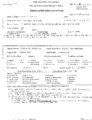
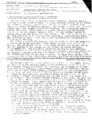
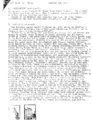
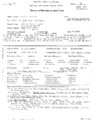
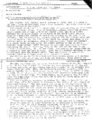
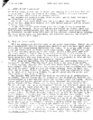
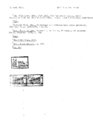
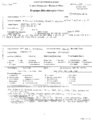
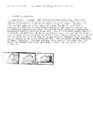
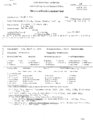
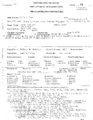
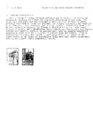
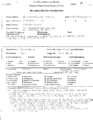
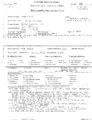
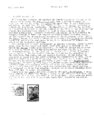
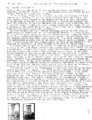
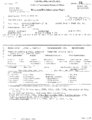
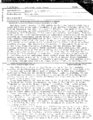
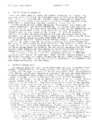
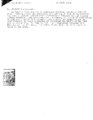
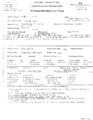
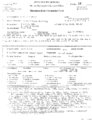
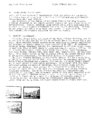
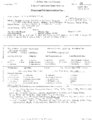
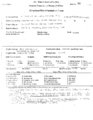
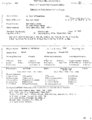
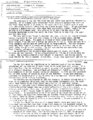
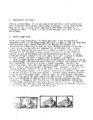
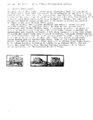
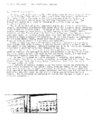
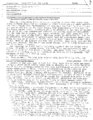
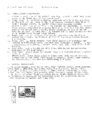
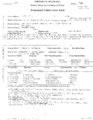
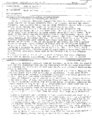
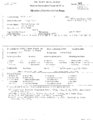
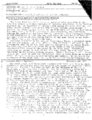
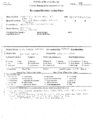
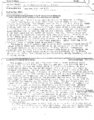
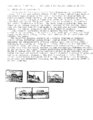
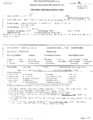
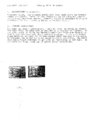
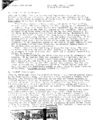
Show street Address:____k\ Post Office Place_________________ Site No: Architect/Builder: George F, Costersian/J. IT. Boy/nan, contractor .§ Building Materials: brick and stone § Building Type/Style: Hichardscnian Romanesoue .i b .______________________. Description of physical appearance & significant architectural features: (Include additions, alterations, ancillary structures, and landscaping jf applicable) The IOOF Hall was built in 1891 of brick and stone and is three stories _ high. The rectangular plan features tall, large assembly rooms on each floor at the south end of the building, while the north 'or front .areas. . contain stairways, offices, and other smaller rooms. The structure utilizes samples of post and beam construction with a single line of loadbearing cast-iron columns running the length of the structure atmidspan. The roof is basically flat, sloping slightly to the. south. At present', . . the hall is free-standing and is surrounded by parking lots. To the east.-. is the old Post Office and a.cross the street to thenorth is the New York . Hotel, recently restored. Of most architectural interest is the Richardson! Romanesque front facade of the IOOF Hall. The symmetrical facade is three bays wide, on each, level and. features square and Roman-arched bays. which- . consistently- alternate throughout .the e"ntire" 'composition. ' ^he... bottom- l.eve.1 -has' a.' "large;.- 'arched en try,- -flanked' by square bpeh.^gs -3n^-:s^^Q:^j^Q^^>^rs. On -the -second level -are large Roman- arched win do w bays- if lanking a, single -.-. square bay. The third level has a. central Roman-arched win do v; flanked, -by square bays,'" . '. '"". : - '-.-.- . ".' -."':..,-.'.. " rc:'%e center section of bays is separated from the side bays by brick and stone pilasters. The same kind of pilasters are also situated at the corners of* the facade. This vertical emphasis' is balanced; by .horizontal '. .'. bands, of stone metal and orc-hough rusticated stone is used Statement of Historical Significance: '"'/'. Construction Date: 1891-189J= -The Independent Order of Oddfellows is a secret benevolent and social' '". society that had. its origins in early 18th Century England. Similar to . and imitative of the rites and organization of freemasonry, Oddfellows organized in the United States in 1319 in Maryland under the authorization of the .' Manchester (England) Unity, IOOF. The Oddfellows experienced rapid' growth, both territorially and. in membership, which reflected the increasing . ._ popularity of fraternal organizations in 19th Century -.Americ an" society. . ' In" Utah the development of these societies coincided with the growth in the territory 1 s non-Mormon population. The quasi-religious nature of the . ritual and .philosophy of fraternal organizations generally- meant that Mormons and: Catholics were" excluded either through policy or- custom, or because : ^. personal commitment to - Mormonism or Catholicism .made membership- 'unattractive. ' The '.Knights .of Pythias 'were the first major fraternal- 'Organisation to be . organized by the citizens of the territory in February- 186***' -The Independent Order .of Oddfellov/s followed on May ij., 186/f, with '"the most pr.estitious- group, the Masons ? not assembling for their initial meeting until November 11, 1865. (A Masonic Lodge comprising principally of military men at Camp- Floy d had.' been in operation from 1859 to 1861.) . Between 1865 and 18?2 the IOOF and the Masons shared a meering 'hall on East Temple Street known 0.3 Oddfellov/s Hall. These small and dingy quarters, described as "anything but inviting" were obviously unsuitable as a. center for the growing social importance of the Oddfellows. Like most of the other fraternal organisations , the Oddfellows participated in lf fraternal insurance" orograrns that offered n ember;: and their families some security in a. society in which th'e financial and social consequences of illness or bereavement wore often disastrous. For the Protestants and Jews who comprised the bulk of ICO? membership, their participation in a benevolent and ^ social group o~ tvir> nature was an important survival mechanism in the midst ^f the v-.: T.-,vHv "organized Mormon* culture which extended these same .benefits ana ^- rciety v sScurity" only to the adherents of the Mormon religion. |