| OCR Text |
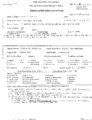
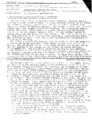
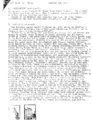
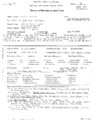
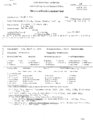
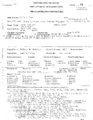
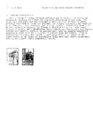
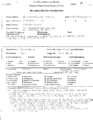
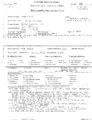
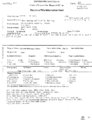
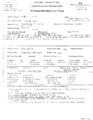
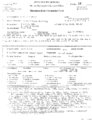
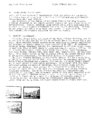
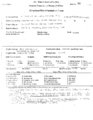
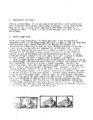
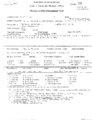
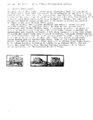
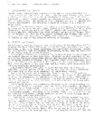
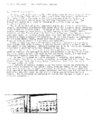
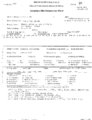
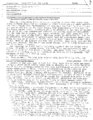
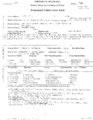
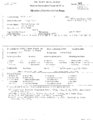
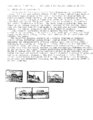
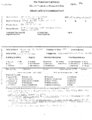
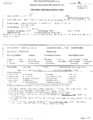
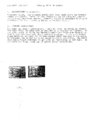
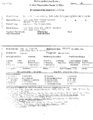
Show Street Address: 165 South, Main Architect/Builder: John C. Building Materials: Brick . SrteNo: " '*^H Craig \ Building Type/Style: Description of physical appearance & significant architectural features: (Include additions, alterations, ancillary structures, and landscaping if applicable) The former Salt Lake Herald Building is a brick commercial structure, five ctories in height. The building is U-shaped in plan after the first ctory end features two vertical wings, or shafts, identical in size and symmetrically arranged around a narrow lightwell, an open space directly over the main entry, intended to permit light to enter windows of rooms in the interior of the U. At an early date architectural critics compalined that the light well was too narrow to permit adequate lighting, a criticism which is consistent with the fact that the sun's rays penetrate only a small portion of the well. An unusual feature of the well is that it opens on the street or front side of the building. Nearly every other commercial building of this type in the city had concealed light wells. The Herald Building is essentially vertical in its facade design but has entablatures and stone belt courses. Horizontality is also emphasized by banding in the masonry portions of the second story; this banding was a continuation of horizontal banding in the stone piers now concealed on the first story. The window and door bays of the Herald Building are square. The windows are simple one-over-one double-hung sash type. Awnings were originally placed over each window but are no longer extant. ;t3t9ment of Historical Significance: Construction Date: 1905 The Herald Building "stands as a historical reminder to the Salt Lake Jl§±15lM» During its fifty year history the newspaper played a crucial role in"The Mormon-Gentile conflict. After 1891, as spokesman for the Democratic party, it was instrumental in the establishment of theAmerican political party system in Utah. Constructed with money from Senator W. A~ Clark of I'iontana, the building also represents the importance of Salt Lake City to the economy of the Intermountain West. The Herald Building was constructed in 1905, 35 years after the founding of the gol.t^.La_ke_.Herald in 1870. Architect for the building was John C. Crsig of Chicago. Mr. Craig was the architect for several other prominent Salt Lake City buildings including the Salt Lake Stock Exchange, Eagle Gate Apartments also known as the Bransford Apartments, and the Louise Grace Ornery Apartments, presently known as the Canyon Road Apartments. The development of Utah's newspapers began with the founding of the DeGeret JJewg in Salt Lake City, June 15, 1850. The News was owned and controlled-by the Mormon Church. While focusing on' church related subjects, ;he editors tried to keep the Mormon-Gentile conflict to a minimum. With ':, :ie completion of the trans-continental railroad in 1869 a tremendous change ::ook place in Utah. The Mormon-Gentile conflict intensified, and in Utah .-journalism, this change was reflected in the birth of two new daily nowspapers, ^IM.J^alJ^JdS^^ ^nd The Salt Lake Herald. Founded in ::.o?j. ? a year after the Herald, the Salt Lake Tribune was first published by ' '.or-rficm intellectuals who had been excommunicated from the Church primarily "'.yr their opposition to temporal church policies. Advocating accommodation ;;;,th the Gen tiles, the Tribune was initially founded to generate Mormon t for a change in economic philosophies from the cooperative insulation tea by Brighton Young to one more in keeping with the laissez .Cairo or the post-Civil War period. In 1873 when the Tribune changed_ the newspaper became an unrelenting and. at times malicious critic of iirch and Church, leaders. This policy continued v/ell into the |