| OCR Text |
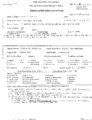
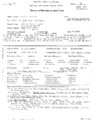
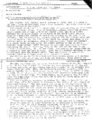
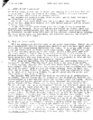
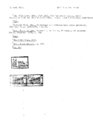
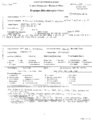
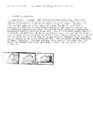
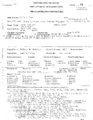
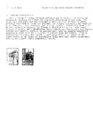
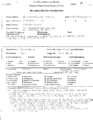
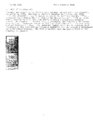
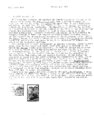
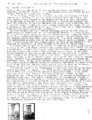
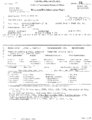
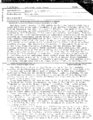
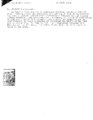
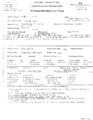
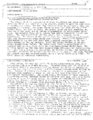
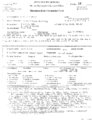
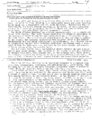
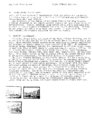
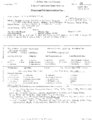
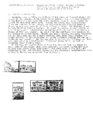
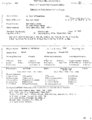
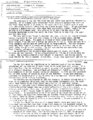
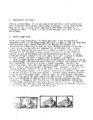
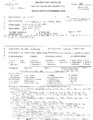
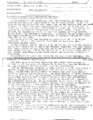
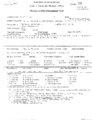
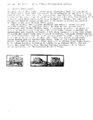
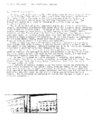
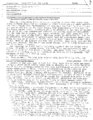
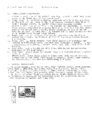
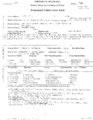
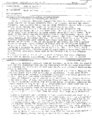
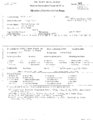
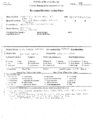
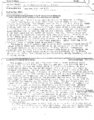
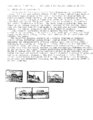
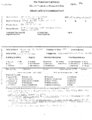
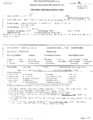
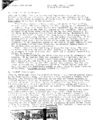
Show Street Address: South .Main Street Architect/Builder: Richard K. A. Kletting Building Materials: Brick and Stone Site No: Building Type/Style: Description of physical appearance & significant architectural features: (Include additions, alterations, ancillary structur«s, and landscaping if applicable) Building permit records of 1888 inform us that the Karrick Block was a brick and stone store with a basement, three stories in height, J>0 by 112 feet in dimension and built at a cost of $18,000. The architect's original elevation drawing, an 1890 perspective rendering and old photographs have provided us with knowledge of the building's original appearance. Features of the Karrick Block representative of commercial architecture of the period included the symmetrical fa.cade design, classical division of the facade into sections approximating the proportions of a column and entablature combination, attenuated cast iron columns supporting the upper masonry wall, ornate carved stone and galvanized iron cornices with great surface activity overall. The facade was articulated in the center as evidenced by the large voids created as vestibules for the porches, the semicircular corbelled pilasters which supported large pinnacles, the large central window panel on the ground floor, and the large flagpole situated at the centerline of the composition. By contrast, the side bays were narrower and more vertical in emphasis. Large pilasters at ea.eh side of the building carried rusticated stone banding along the first level and ornately carved stones at the vexus of the belt courses which delineated the floor levels. A variety of materials enriched the total design; glass, cast iron, wrought iron porch railings, stone, brick, tin cornices, wood Statement of Historical Significance: Construction Date: 188? The 1887 Karrick Block is significant as one of the few remaining examples of pre~"Building Boom" commercial architecture in Salt Lake City. It is also the oldest extant work of Richard K. A. Kletting, prominent architect of Utah and the Intermountain West. Lewis C. Karrick, who had the building constructed, contri Mted to the growth of Utah through his mining, banking and real estate activities and membership on the First Council of Salt Lake City. Lewis Cass Karrick was born in Iowa in the year 18^8, the son of George Orel Karrick and Galena Ann Madeira. He came to Utah in 1872 as superintendent of the Omaha Mining Company at Stockton, Utah. After several years he sold the greater share of his mining interest and engaged in the banking and brokerage business in Jake Greenwald 1 s store in Stockton. Karrick came to Salt Lake City in 1877} staying only a short time before going to Idaho where he made "considerable" money in mining ventures. After returning to Salt Lake he built the Galena Building, bought the Troy Laundry, established the Men 1 s Furnishing Store and the National Bank of the Republic. He organized at his own expense the "Karrick Guards," local militia. Property which Karrick acquired for speculation gave a. large income within a few years. At the time the Karrick Block was in 1887 he had amassed a fortune estimated at $500,000 and' was at !;he zenith of his career. Lev/is Karrick was well known as a politician, having served as a Salt k.e- City Councilman and having been a candidate for mayor on the Liberal., .jket. In his later life, however, Karrick 1 s investments clid not prove ,.rad and his fortune dwindled. He made several attempts to regain his f'lthj including a trip to Alaska, during the Klondike gold rush. Sufferfrora severe illnesses and unable to recoup his losses, Karrick separated . "if -Prom his family and finally died from a gunshot discharged by his -arid in 1005. |