| OCR Text |
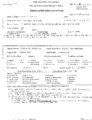
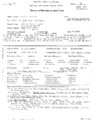
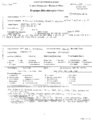
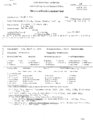
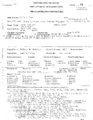
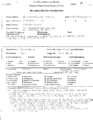
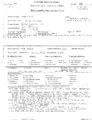
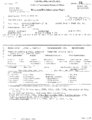
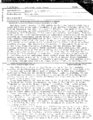
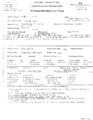
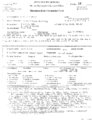
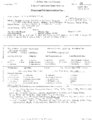
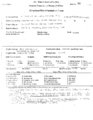
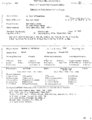
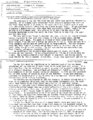
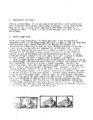
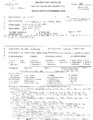
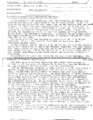
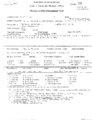
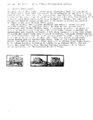
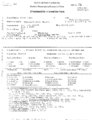
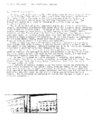
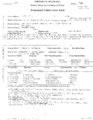
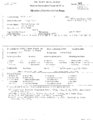
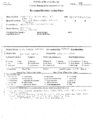
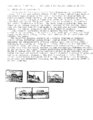
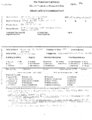
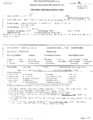
Show Street Address:' Site No: 158 East 200 South Architect/Builder: Carroll and Kern (William Carroll and Didicus Kern) Building Materials: Brick and Stone BuildingType/StyleRichardsonian Romanesque Description of physical appearance & significant architectural features: (Include additions, alterations, ancillary structures, and landscaping if applicable) The earliest description of the Fritsch Block (from January 1, 1891, SALT LAKE TRIBUNE) reads: "J. A. Fritsch Block, corner 2nd South and Franklin Avenue, 3 story brick and stone, store and offices, estimated cost: 110,000." The present building fits the historic description and has been modified only slightly since initial construction. The block is Richardsonian Romanesque in style and is intact inside and out with the exception of new windows and aluminum framed doors and interior alteration on the first floor level. The basement, second and third floor are unaltered, even on the interior. There are three main floors and a full basement. The structural system is center post and beam in the basement and first floor, and bearing walls around a central hall on the second and third floors. The main floor is essentially free of partitions except at the rear of the store where merchandise is stored. The upper floors contain small offices on either side of the hall and stairway which run north to south through the building. The storefront is symmetrical and features an arched entry way to the central stairway and otherwise square, glass- filled bays on the first floor level. The windows are divided by structural mullions which support the masonry wall above. The second floor windows are Roman arched while third floor bays are square and are aligned directly above the windows below. The Construction Date: Statement of Historical Significance: 1890 The three-story, stone and brick J. A. Fritsch Block was built in 1890 as an office building for the Fritsch Investment Company, an early investment business founded by Francis and John A. Fritsch, Utah immigrants of 1889* The block is architecturally significant as a well-preserved representative of the regional type of Richardsonian Romanesque commercial architecture prevalent in Utah Territory in the late 19th Century. The architectural firm, Carroll andKern, was Utah's most prolific at the beginning of the "Utah Building Boom" in 1889. The Fritsch Block, although modest in comparison with Carroll and Kern 1 s larger projects, is the major surviving work of this prominent firm which played an important role in the development of architecture in Utah. mem; Company of which incorporated the Frit a product. In 1912 thefamily Investment Company, and in 1916 this rooms" at theaddress. Later it known as the V/orth Hotel ^and later as the Granite Hotel. The bottom .oo.r was leased, in 1903 t the Hegal Cleaning and Dyeing Company for - rerooms, and later apparentl part of the cleaning company moved there < ; ,; In the late 1920s the Fritcch Loon and Trust had some financial "3lems which resulted in coveral mortgages on the building and eventually sa le to Salt Lake Co |