| OCR Text |
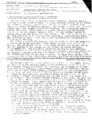
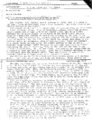
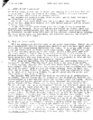
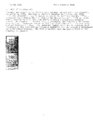
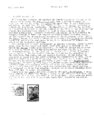
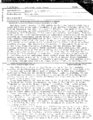
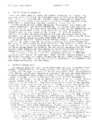
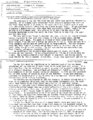
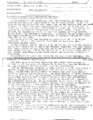
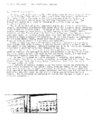
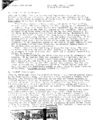
Show /.|.6 West 200 South 5. Orphoum/Capitol Theatre HISTORY (continued): An added safety feature was the exit system with 30 exits from oil sides oT the building, "the doors of which are fitted with patent contrivances that cause them to fly open on the least pressure from the inside, A special structural system made the building f earthquake-proof.'" The boiler was placed in a separate building to eliminate the dangers of possible explosions. The total absence of posts, concealed lights and mirrored reflectors, special accoustical treatments were among other new elements which attracted large crowds of theatre-goers. Catering to the va.udeville type of production weekly offerings of such artists as Will Rogers, Sophie Tucker, Trixie Friganza and Joe Frisco played to Salt Lake audiences. The theatre offered such fare under the Orpheum Chain until 1923 when the Ackerman-Harris vaudeville chain purchased the building. In 192? the Orpheum was purchased by the Louis Marcus chain, which also owned theatres in Provo, Ogden, and Boise as well as others in Salt Lake, for $300>000. Major remodelling over a three-month period transformed the structure into a Louis XVI style theatre, a notable feature being a sunburst set in the center of the ceiling. Interior design was by R. E. Powers and Company, considered a prominent national designer of the era. Called the "city's leading motion picture palace," by reviewers, the seating capacity was enlarged to 2,260 and included a new Wurlitzer organ, billed as second in the city only to the Tabernacle Organ, and featured Tabernacle Organist Alexander Schreiner as organist. It apparently catered to a wide spectrum of society, with prices in 1917 ranging from 10 to 75 cents, depending on seating and show time. The theatre changed with the times, being transformed from live theatre to "talking shows" in 19297 The Orpheum or Capitol Theatre as it was later called has continued to show motion pictures to the present time, although parts of the building have been turned over to small commercial businesses. In early 1976 the Salt Lake City Redevelopment Agency purchased the building and are currently having the building restored for use as a much needed performing arts center. The restoration is intended to return the Orpheum to much of its original appearance. |