| OCR Text |
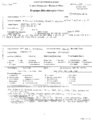
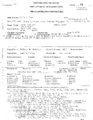
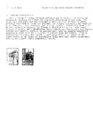
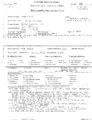
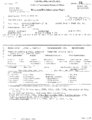
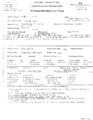
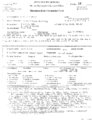
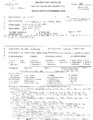
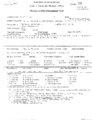
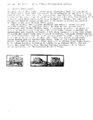
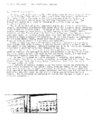
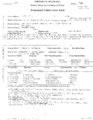
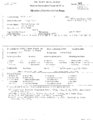
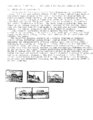
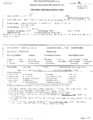
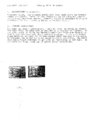
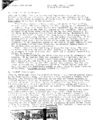
Show Street Address: ','6 .Vest 200 South Architect/Builder: Building Materials: Building Type/Style: Site No: Albert G. Lansburgh Brick Italian Rennaissance Description of physical appearance & significant architectural features: (Include additions, alterations, ancillary structures, and landscaping if applicable) Newspaper accounts of the opening, August 1, 1913, give an idea of the original appearance of the theatre. Some of the features mentioned include the lobby which was "paved v/ith marble flags, domed by a striking groined celling in Caen stone and flanked by supporting pillars." The staircases to the balconies were marble. The original color scheme v/as French gray and gold, "the gold being subdued v/ith French lacauers in blue and mulberry \vhich go well v;ith the gold orsini velvet draperies, in turn relieved by mulberry and rose colored silk underdrapes." The theatre balcony and proscenium arch were heavily molded with classical motifs. Descriptions of ^ the building's original appearance are extremely detailed and lengthy, but in short the entire theatre was extravagantly finished, both inside and. out. The building now known as the Capitol Theatre is a brick structure, three stories in height v/ith a. highly decorative facade consisting of tapestry crick and polychrome terra cotta. The symmetrical front facade is"" five bav s wide v/ith large Roman arches over each bay on the street level and sets of" ; Palla.dian windows situated directly above each lower 'bay. Until recently the arches were concealed by metal siding which covered the entire clerestory portion of , the street level facade. Other modifications of the facade in lude the rearrangement of spaces and masses between the columns at the Statement of Historical Significance: Construction Date: 1912-1913. Tl ne Orpheum Theatre (now Capitol Theatre), the second threatre built in Salt Lake City for the Orpheum*Theatre chain, is significant for introducing^ innovative architectural features in theatre construction to the Intermountaii \7est* Built in 1912-1913, the Orpheum Theatre utilized the rnostmodern mechanical contrivances of its time bringing advancements in safety and comfort through carefully manipulating the interior environment of its public spaces. The building of the theatre also marked an important event in the importation of out-of-state architects and foreign design styles to nrovido alternatives to the more conventional American and Utah vernacular styles -which cominated the majority of commercial and public architecture. The introduction of new building materials tapestry brick and terra cotta, and a highly decorative new style Italian Rennaissance, along with the "V/ater-curtain," "plenum system" air-conditioning and "totally fireproof" construction made the Crnheum Theatre a significant building in the development of architecture in Utah. Of the several the at res_ "built nationally by San Francisco architect G. Albert Lansburgh, the Salt Lake Orpheum v/as considered one of the most successful. v/ith such an outstanding facility, the Orpheum Theatre v/as capable of attracting the best-known performers of the day. The theatre v/as significant BZ a major center of vaudeville in Salt Lake City. on South Main Street in 1905, the L. L. After having built a a -oermit for a new theatre on May 27? 1912. Crv:lieum Realty Company to . Albert Lansburgh ofSan Francisco. ThirtyArchitect for t he theatre ansburgh had graduated from the Ecole des L% years ox age rdecl Le Diplome d 1 Architect de Government - mix Arts in Par in " -, ^ ~o 1 ^ the Society of French Artists at the Grand 1906. After spending seven more years 5 lon of the Champs architecture in Furore, Lansburgh returned' to ';ij ->y ing ancient il; practice. Among the more importSri Francisco,, L, |