| OCR Text |
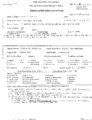
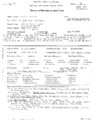
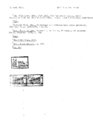
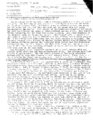
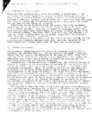
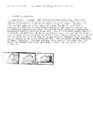
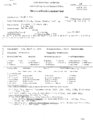
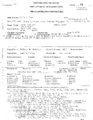
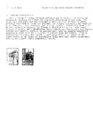
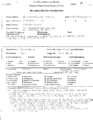
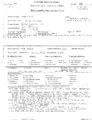
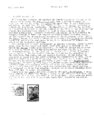
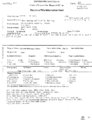
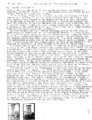
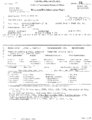
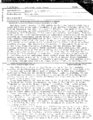
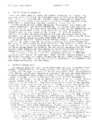
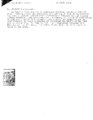
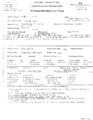
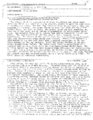
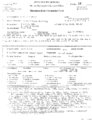
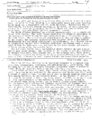
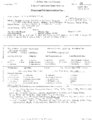
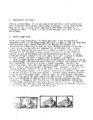
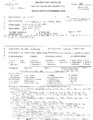
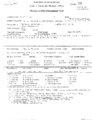
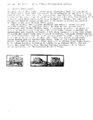
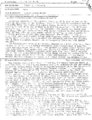
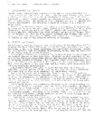
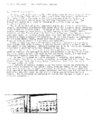
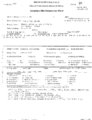
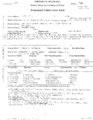
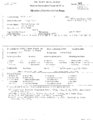
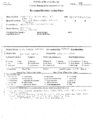
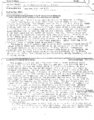
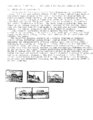
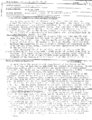
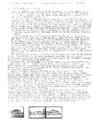
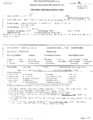
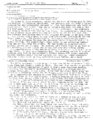
Show Street Address: 151 South Moin____________________ -----------------------------------------------, Architect/Builder: Walter J. Site No: Cooper ~ Building Materials: Reinforced concrete and brick • Building Type/Style: Description of physical appearance & significant architectural features: (include additions, alterations, ancillary structures, and landscaping if applicable) The Tracy Loan arid Trust Company Building is a long, narrow structure \vhich ha.8 a. rectangular plan and is thirty feet high at the square. Built in 1916, it has a reinforced concrete and brick structural system which is rated "fireproof." Built for banking purposes, the building originally had three major rooms. The front or west room was fully two stories tall and v;as used as a public banking area. Behind (to theeast) were two floors, twelve feet high each, where offices were contained. A full basement, accessible by a. marble stairway, had a central hallway with offices. Much of the basement is intact as built. The main floor, however, has been altered at least twice. The first remodeling extended the office floors further toward the front of the building to morefully utilize the open two-story space there* As they now exist, the floor-to-ceiling height of the first floor is approximately eighteen feet, while the second floor is about eight feet high. Fortunately, many original architectural elements were retained during past renovations. The impressive vaulted skylight is still intact. It extends at least half the length and width of the building and is situated in the middle of the roof. Its metal framing contains curved stained-glass panels with multi-colored flower patterns. The original interior cornices sr.id decorative beams are also mostly intact. They feature acanthus leaf Statement of Historical Significance: Construction Date: 1916 The Tracy Loan and Trust Company Building housed one of Utah's early banking institutions and relates to the careers of Russel Lord Tracy and James William Collins, two important Salt Lake City financial figures. Architecturally the building is a diminuative example of the Neo-Classical Revival Style and is a significant part of Salt Lake City 1 s historic South Main Street f acadescape. Among Utah's oldest banking institutions to remain in operation is the Tracy Loan and Trust Company, founded in 188Jf by Russel L. Tracy. Tracy Y/as born at Mansfield, Ohio, in I860 and after attending Oberlin College in "'hio and established a banking business in Cheyenne, Wyoming, in 188^. In 1592 -he moved the firm to Salt LakeCity, Utah, where he established permanent residency* In addition to forming one of the state 1 s first loan ?nd trust companies, Tracy was widely known as a philanthropist. He ?;.-vtablished the Tracy Avaiary at Liberty Park, the Tracy Wigwam Boy Scout ' . snip in Millcreek Canyon, and w as known as the "newsboy 1 s friend" for pre~ -.ring an ela.borate_dinner for all of the city's newspaper deliverers each . -raksgiving Day'. In 1933 Mr. Tracy retired as president of the bank and ;..ies v/ e Collins, a long-time employee of the firm, was named, to succeed him. James William Collins was born in Cheyenne, Wyoming, in 188^-. After '-.ending grade school and high school in Salt LakeCity Mr. Collins entered employ of Russel L. Tracy as an office boy. He served in various itions v/ith the company until 193^- when he was elected president. T:r f> Collins exercised considerable financial leadership locally, serving /resident of the Local Realty Company, directory of the Paramount Fire .-ranee Agency of New York, director of the Independent Coal and Coke Vany of Utah and director of the Porte Publishing Company. He was also rector arid secretary of St. Mark's Hospital and a trustee of Westminster 3Ge. fraternally, Mr. Collins served as Grand Master of the Masons |