| OCR Text |
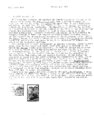
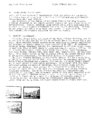
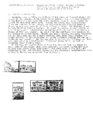
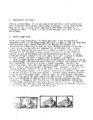
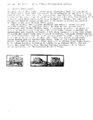
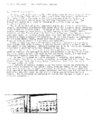
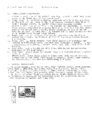
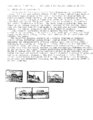
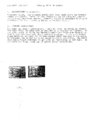
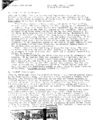
Show '165 South Main Herald Building - if. ARCHITECTURE' (continued): Perhaps the last of Salt LakeCity's finest turn-of-the-century tin cornices adorns the top of the Herald Building. Divided into two identical portions, one for each tower, the richly decorative cornices feature broken pediments, volutes, lion's heads, cove mouldings, brackets, dentils, and flagpoles. The inscription, "The Herald," "Erected 190^," is divided, half in each of the two cornices. Other decorative elements-of the building include the keystones over the windows, the classical cartouches in the frieze across the top of the second story and the suggestively Prairie Style capitals at each end of the frieze above the first story over what were originally stone pilasters. The exterior of the Herald Building is presently covered v/iih dark gray paint. The interior has experienced some modification, particularly on the north side of the ground floor. The original cabinetry, mouldings, doors, etc., in the cafe on the ground floor and in many rooms on upper floors are mostly inta.ct. Aside from interior alterations made in the process of converting the newspaper building to a hotel, the major intrusion is the remodeling of the exterior facade of the ground story. The original design featured a prominent arched entry bay crowned with a large broken scroll pediment. The pediment was supported by stone piers similar to those ateach end of the building where upon smooth and rusticated stones alternated for a banding effect. Between the sets of stone piers were large windows within wooden mullions. A large stone eagle perched on a sphere was situated between the break in the broken scroll. A Classical frieze served as a visual entablature for the upper floors and is still intact. A small porch withiron railing is now located where the pediment originally was. The effect of the Herlad Building as initially designed was one of the formalities of classical revivalism blended with the austerities of then currently progressive trends of commercial architecture. 5. HISTORY (continued): While the Deseret News tried to keep aloof from the journalistic mudslinging which characterized much of 19th Century American journalism, the jSalt Lake .Herald became the sparing opponent of the Salt Lake Tribune in the Mormon-Gentile fight. Growing out of the ashes of an earlier pro-Mormon newspaper, the Salt Lake City-OKden Tele.ffra.ph, the Salt Lake Herald publishers purchased the type and press of the Telegraph, hired the newspaper's former business manager, 7/illiarn C. Dunbar, and Editor E. L. Slosn, and began publication of the Sa 11 L ake _IIeraid on Sunday, June 5 9 1370. In explaining the paper's philosophy, Editor Sioan reflected the need for a militant defender of the Church .and its members, "Beaming it better to represent ourselves than to be misrepresented by others, when the people of Utah, their faith and institutions are aspersed, maligned and unjustly attacked, we shall esteem it -a solemn duty to present the truth in reply, when the source is worthy of a rejpinder .... We have lived in this community for years', and hope to livle- in it-for many years to come . . .." (Quoted in J. Cecil Alter, Jilarl_y.. Utlah Journal ism, pp. 307-503.) Throughout . the polygamy crusade of the 1370s r?.n--' 1830s the Deseret News remained the spokesman for the Mormon leadership v:hile the Herald, althoug not Owned by the Church, was its lay supporter. Its opponents, described the "Morrqon Herald," and "The Organ of the Lesser Priesthood," .mplying that t he Deseret News, as the official Church mouthpiece, v/as "Th< tt of the-Hi |