| OCR Text |
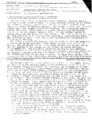
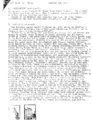
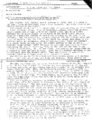
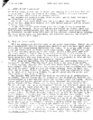
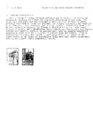
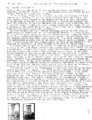
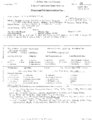
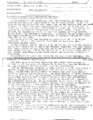
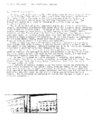
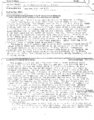
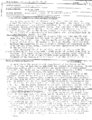
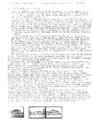
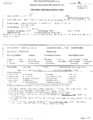
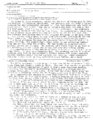
Show Tpo South Main Street Daft Block, Daynes Jewelry-Building /!-. ARCHITECTURE (continued): The wooden oriel window is quite ornamental with various medallions, columns in corner millions and other classical design motifs carved in wood. An adaptive use restoration has taken away most of the original partitions to provide larger areas for professional offices. Mouldings have been retained, whenever possible. The Daft Block is structurally sound. Architectural fabric has experienced, some deterioration, especially at the cornice. Once painted with a monochrome color scheme, the masonry has been cleaned of paint and, the wooden trim repainted in an attempt to restore the facade to its original appearance. 5. HISTORY (continued): $17'* 500. The building was occupied initially by a real estate company and urovided office rooms for other small professional con earns. Mrs. Daft died, in 1906. In July 1908 the John Daynes Sons jewelry company took over the building and. remain there to this day. Daynes Jewelry was founded by John Daynes, an expert craftsman in jewelry who learned his trade in England. Born in 1831? Daynes converted to Mormonism in 18^8, moved to Salt Lake City in 1862 and became Brigharn Young 1 s watchmaker. Also a gifted musician, Daynes was able to perform on nearly every instrument. Pie was a choir director for ZfO years and was the organist for the famous Mormon Tabernacle Organ. He founded Daynes Music Company and Daynes Optical Company. John Daynes died March* 30, 1905. His sons, earlier taken on as partners, continued to run the jewelry and musical instrument store a.fter his death. One of his sons, John Frederick (J. Fred), took over active management of Daynes Jewelry Company in July 1900 after returning from a Mormon mission. :Ie stayed with the company for over 30 years. Robert F. Daynes, another CDscendeiit, still owns and manages the pioneer jewelry store. Elias L* T. Harrison was, along with Truman 0. Angell, Sr., and William n, F'olsom, one o.fUtah f s three most important pioneer architects. Harrison converted to Mormonism in England in the late 18^-Os and became one of the r:hurch ! s most prominent leaders there before gathering to the Utah Zion ".'r\ 136.1. His architectural abilities were recognized immediately and. he was put to work designing the interior of the Salt Lake Theatre in late 1861. Tic theatre interior was considered a. rnasterwork and was lauded nation wide*. ;tc-r commissions included the unbelievably detailed William S. Godbe house, Gothic Revival residence of the most flamboyant kind. Harrison designed . :..; Gran,] Opera. House and numerous other residential and commercial build:; .:; constructed through 1900. Utah f s first classes in architecture were ~Y;-it by I:.?rrioon beginning in 1862. Throughout his career, Harrison was ' -;tor* fj~ the picturesque qualities of design. The Daft Block is considers! . ' so:;t r-urviving example of Harrison's work. \:/;co?.r:;ur: icoted from the Mormon Church in 1869 for preaching apostate r - Li ? ^'jrrison was as well known for his literary and. religious activitie. ' - ;' ; :; :r Jiis architectural accomplishments. Disenchanted with the '••-•• .'- '? ~-:er.:hin of Brigham Young, Harrison joined with Edward Tullidge, '-' y-ritor, to ^produce in 1864 the "Peep O'Day", apparently the first •"--'* " J: '?, "u"bj-i~hed in the Intermountain West. This magazine was the < \ :-'''^'~. : : _ " no "V^'1 Magazine" which in turn became the "SaltLake Tribune", '. -;',"- " . ; ^ ;;° City'3 two extant pioneer newspapers. Harrison f s friend" ' " "-'^ ' i-lian: .';. Oo.'be, another malcontent, resulted in the Godbeite - ? " r- ev/ "o'rani system of theology" which intended to radically , ari ..'.ar:.ontal. .:-:::.T."icniGm t IT. 17. Nichols, Harrison 1 s partner, was ^nj superintendent in Salt Lake City before the turn of |