| OCR Text |
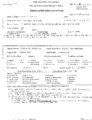
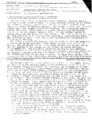
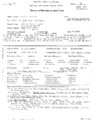
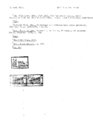
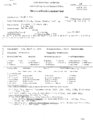
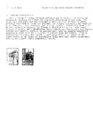
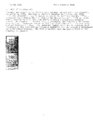
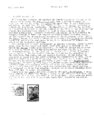
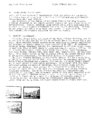
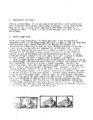
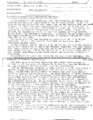
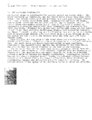
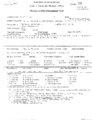
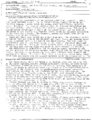
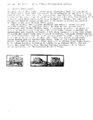
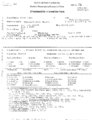
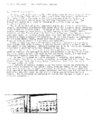
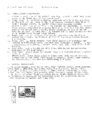
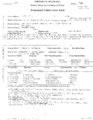
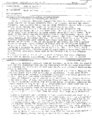
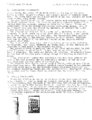
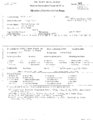
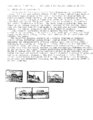
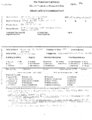
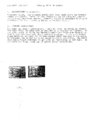
Show Street Address: -- ' 42 Post Office Place • Architect/Builder: Richard K.A. Klettinq Building Materials: Brick ____----------:----__ Site No- Building Type/Style: Description of physical appearance & significant architectural features: (Include additions, alterations, ancillary structures, and landscaping if applicable) The architect of the New York Hotel was well-known Utah architect Richard K.A. Kletting. It is a three story rectangular brick structure designed for shops on the first floor and 62 hotel rooms on the upper two floors (suites with private baths and single rooms for which there was a bath on each floor). It was considered a completely.modern building, with steam heat and electric lights, Each floor was originally 8,140 square feet. The building is 49 feet from the base of the concrete foundation to the flat roof; the first floor is 14 feet high, the upper tv/o 10,5 feet high. The very restrained facade is divided into three parts by the covered entrance canopy, supported by four cast iron columns on high sandstone bases, and the curvilinear gable above. The gable is divided by three large medallions; large block letters ("The New York") follow the curve of the gable. Below the name is a large rondelle and the date of construction in large numerals. The only ornament above the first floor is a single row of dentil moulding on either side of the gable below the plain roof cornice. The 2/1 sash windows are done with stone, flush lintels, and narrow, projecting sills. c?-. 0 ".-, The condition of the building deteriorated over the years, both on the "exterior and the interior. It was ordered closed in 1975 and did not re-open for a year. The building originally cost $50,000 to construct, and the new owners spent $50,000 in 1976 to remodel the building. It was then sandblasted and alt the Statement of Historical Significance: Construction Date: 1rmc I yuo The New York Hotel is significant as an important part of the non-Mormon development of the south end of Main Street in the early twentieth century. It is also significant for its architecture and as an example of successful adaptive use of an historic structure. The architect was Richard K.A. Kletting, one of Utah's most prominent in the two decades following statehood. In 1975 the city condemned the building because of extensive decay of the interior. It was then renovated, Including the reconstruction of the interior in a contemporary idiom by developer John Williams and Muir-Chong Architects. The building was constructed in 1906 for Orange J. Salisbury and was one of a dozen or so commercial structures built by non-Mormon businessmen near the south end of Main Street in the first decade and a half of the twentieth century. Historically, Salt Lake City's central business district has tended to develop along a dualistic spatial patern that was a vivid reflection of the city's social, cultural, and economic dichotomy. In general, Mormon businesses have tended to be concentrated north of Second South St. and non-Mormon establishments south of Second South. The construction in the first years of the twentieth century of the Mew York Hotel, the buildings comprising the Exchange Place Historic District (NR). and several other buildings, stamped this division even more firmly on the face of the city and were deliberately built as a counterweight to Mormon concentration at the north end of the city. The New York Hotel was also one of a dozen hotels, larqe and small, built 'ouqhout downtown Salt Lake City in the first decade of the twentieth century in response to the construction of both the Union Pacific Railroad Depot and the Denver and Rio fVrande Depot. -f " The building's original owner was Oranqe J, Salisbury, a orominent tnininq and •vlnessman of Salt Lake City. Born in Salt Lake on June 29, 1832, he graduated ••-i Cornell University in 1905 as a mining enaineer, obtained patents on filter r. •.'inu.ipment, and organized the Kelly Filter Press Co., later incorporated as |