| OCR Text |
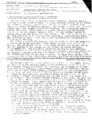
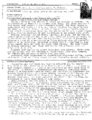
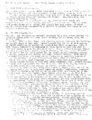
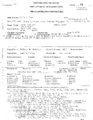
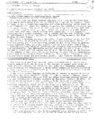
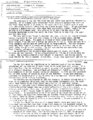
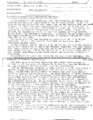
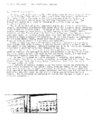
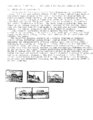
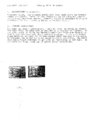
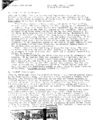
Show /|.l Post Office Place Independent Order of Odd Fellows Hall k. ARCHITECTURE (continued): sparingly, the fa.cad.e has a textural quality, albeit the relief is shallow. The parapet wall features brick and stone in checkerboard patterns and, in the elevated central portion, "I.O.O.F." and "1891." At the cornice level is decorative metalwork in the form of columns and. pinnacles. Other decorative metal work exists along the first story cornice and composite capitals on the cast iron columns. At the base of the entry arch is stonework carved in foliated patterns. Theonly symbolic artwork representative of Oddfellow doctrine is an all-seeing eye carved, in stone over the main entry. Also interesting are the side facades which feature irregular arrangements of square and Roman-arched window bays. 5. HISTORY (continued): Sociologists have noted the possibility of the need for ritual as explaining part of the enormous popularity of fraternal organizations. Most fraternalists appear to belong to the "non-ritualistic" denominations of Protestants, which makes their participation in a group devoted to sacred clothing, special grips in greeting, secret oaths, heirarchal organization, and elaborately choreographed ceremonies all the more thought-provoking. The expression of ritualism extended generally to the meeting places, and once a lodge had. acquired permanence and stability the members soon provided for an appropriately dignified, edifice to be constructed. By 1885 Utah. had eight IOOF "working" lodges, several auxiliary organizations, and. a Grand Lodge of Utah had been established with a prominent Jewish merchant, Frederick Auerbach, as the first Grand Master. V/ith their permanence established, the Utah Oddfellows in!891 brought into being the Oddfellows Building Association, capitalized at $/fO,000 and subscribed to through ^,000 shares at $100 each. Architect George F/ Costersian was employed to design and contractor J. H. Bowman to build the present structure at Post Office Place that would enable the Oddfellows to "fraternize the world, comfort end relieve the distressed, nurse and care for the sick, bury the dead and educate the orphan." The interior of the building boa.sted a magnificent library donated by Grand Master Frederick Auerbach, as well as providing for lavish ceremonial rooms that were the heart of the lodge 1 s fraternal meaning. The decline in membership of fraternal organizations did not really becom noticeable until after World War II, although the social advantages of membership had. already begun to erode during the Depression period partiall o.o a result of the growth of the state responsibility for welfare and security that became significant following the creation of the various innovative New Deal programs. The ICOF Hall in GaltLake has mirrored the decline of its organisation's displacement as an important and worthv.hile social mechanism. However, the structure itself is a. largely unspoiled. er.onple of o fraternal meeting place, its decoration a celebration of the exuberant bourgeois taste of the 189^s, and. an entirely fascinating reminder importance of ritual and ceremonial in American society. IOOF Hall is valuable a.s an unaltered example of commercial RichardEonanesnue architecture. Excepting the addition of a small metal fir minor mullion chants in the upper v.'inlov.'G, the exterior of the )ver been altered. Even thebottom level of the facade is untouche includes original doors, hardware, glass, etc. Unfortunately,, the build not bean maintained, either, and the fabric, particularly the sandstone, Dadly deteriorated* Although not distinguished architecturally, the -rior- is also intact with respect to original floor plan and fabric. |