| OCR Text |
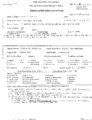
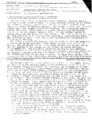
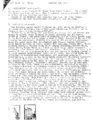
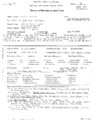
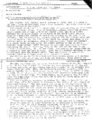
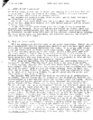
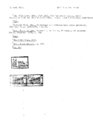
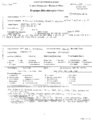
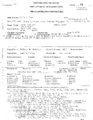
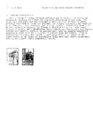
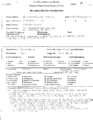
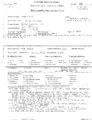
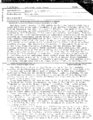
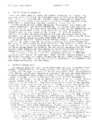
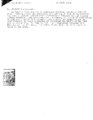
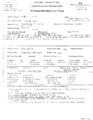
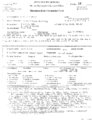
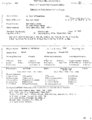
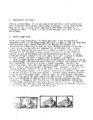
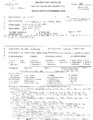
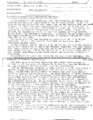
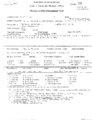
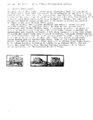
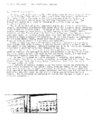
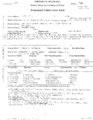
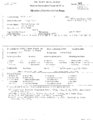
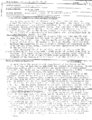
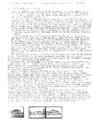
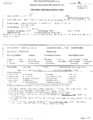
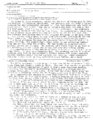
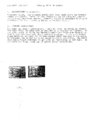
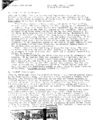
Show Street Address: 235 So. Main St. Site No: Architect/Builder: Building Materials: Brick Building Type/Style: Description of physical appearance & significant architectural features: (Include additions, alterations, ancillary structures, and landscaping if applicable) The Utah Savings and Trust Building is a seven-story commercial building with a reinforced concrete and brick structural system and stone facade. A narrow building (26 feet wide), the verticality of its facade is accentuated by four piers or pilasters that rise unbroken through the middle five floors. The facade, unaltered above the first floor, originally consisted of three classically articulated divisions corresponding to the pedestal, shaft, and capital of a column. The first level of "pedestal" of the facade originally featured four columns directly under the existing piers, and a classical entablature. The middle bay contained the entry doors while the side bays contained storefront windows. This configuration has been altered and now consists of a metal framed storefront window amd doors contained within a dark marble border. The "shaft" of the facade consists of four piers which separate the window bays. All of the windows are one over one, operable sash types and are spacially separated vertically by flat spandrels decorated by circle and diamond shaped morifs. The "Shaft" terminates at the cornice above the sixth floor. At the tops of the piers are groupings of fruit, swags, and some geometric motifs, all of which combine to form a secondary cornice. The upper floor, because of its heavy cornice and wall ornamentation, is the "capital" of the facade. The windows on this level are surrounded by Statement of Historical Significance: Construction Date: 1906-07 The Utah Savings and Trust Co. Building is significant for its long association with several of Utah's most eminent citizens. Its motto, "Judge a Bank by the Men Hack of It," was pertinent, as several of Salt Lake's most prominent financiers, realtors, mining capitalists, and popular political figures were involved with the company in its early years of existence. The building is also significant architecturally as an early example of reinforced concrete construction and as a regional adaptation of the Sullivanesque Style. The bank was established in 1889 with a capitalization of $250,000, under the name Utah Title Insurance and Trust Co. It was one of the first bank and trust companies established in Salt Lake during Utah's territorial period. Its original Sanction was the receiving and execution of trusts. It later expanded its facilities to include general banking and fiduciary business, but remained primarily a savings : ;ank rather than a commercial bank. Its main function was receiving savings on which interest was paid. Most of the savings were invested in mortgages. The bank eventually became an institution that afforded all of the advantages of the corporate trustee, the savings association, and the Commercial Bank. ;, Through the reputable interests of several of Salt Lake's more prominent financiers, :he Utah Savings and Trust Co became one of the most stable institutions in the state. "".':..ij officers represented a coalition of some of the finest business minds in Salt Lake ..rein 1890 to 1930. John E. Dooly, President of the Bank from 1890 to 1989, was a c'.ll-known financier and broker and played a prominent role in the financial and .'.: ;'.ness affairs of Salt Lake City. He also served in a variety of MO Lie capacities, including president of the Salt Lake City Board of Education, .'.. _; emir, of the University of Utah, and member of the Salt Lake City Council. He |