| OCR Text |
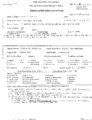
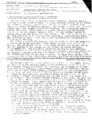
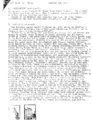
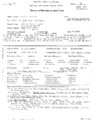
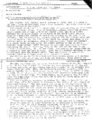
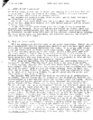
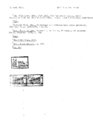
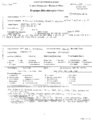
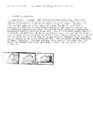
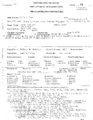
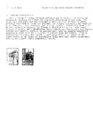
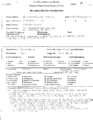
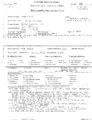
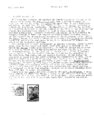
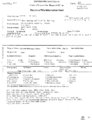
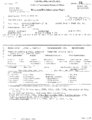
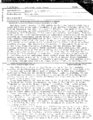
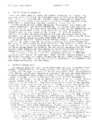
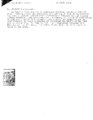
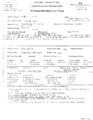
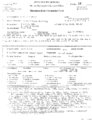
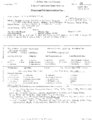
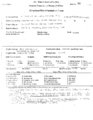
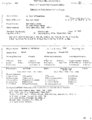
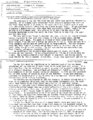
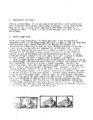
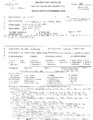
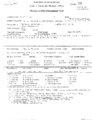
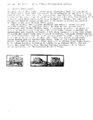
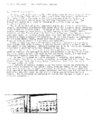
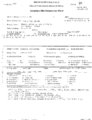
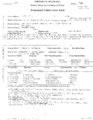
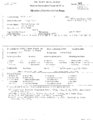
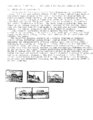
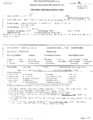
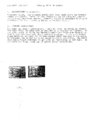
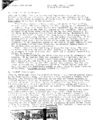
Show Street Address: I \ . Site No: V -----------------\' Hf3 1-~lA|-7 West 200 South Architect/Builder: V/illiarn Carroll Building Materials: Brick Building Type/Style: Description of physical appearance & significant architectural features: (Include additions, alterations, ancillary structures, and landscaping if applicable) This is a two-story brick store, rectangular in shape with stone trim, fancy corbeled brick and tin cornice in front facade parapet wall; symmetrical front facade with fenestration and door bays separated by iron columns and wooden mullions on the first level, four Roman-arched window bays in the brick second level. Bertolini Block is essentially the same in appearance as it was when constructed although now showing signs of considerable use and wear and 83 years. One story buildings are built along both the eastand west side of the Block. The rear fac.ade is unaltered and features an irregular arrangement of square window bays and segmentally arched door bays, as well as an exterior wooden stairway which leads to a. second floor entry. None of the masonry has ever been painted. Only wood, iron and tin areas are painted. The top of the front parapet wall is badly deteriorated and is in need of repair. The building has three levels including basement and two floors above grade. It contains eleven rooms. The main floor has historically been used as a store and now houses a. tavern. The upper floor has historically served as a. boarding house and continues in this use to the present. The basement is used as a storage area. Details- include: 1. Iron columns. Two cast iron columns with Corinthian capitals, one Statement of Historical Significance: Construction Date: 1891-1892 Located in the west -side of Salt Lake City where the railroad a.nd mines brought a. great multi-ethnic population to thecity, the Bertolini Block is one of the few remaining sites to have been continuously associated with ethnic minorities in Utah. Since its construction in 1891-1892 by real es-cate developer Ignazio Bertolini, the building has been occupied by various^Italian, Greek, Russian, and Japanese businessmen. Bertolini Block is significant architecturally as a well-preserved example of small commercial structures built in Utah cities during the building boom prior to the .fame of 1893* Its plan, detailing and overall appearance are represencat.iLve of architecture of the period, little of which remains intact in arc Lake City. Architect William Carroll was a locally prominent architect -on about IboO until 190?. His best known surviving work is the diminuative ;rtolini Block. Ignazio Bertolini, a prominent Italian-American real estate developer in ;.- . Lake City in the early 1890s had the Bertolini Block built in 1892 at c-.ct of .155,000. Work on the two-story brick store began with the laying r,ne sewer in March 1891, although the building permit was not taken out ;LI September, 1892, the year of the building's completion. Architect \.,ae store was V/illiam Carroll, who, v/ith his father Henry G. Carroll. '..ciced in Provo in the early 1880s before removing to Salt Lake City, o-ieven-room^ building was first occupied by Mr. Bertolini who had his estate office and residence there. /mother original occiro^.-at of the :loor (which \vas divided into three independent stores) was E. A. and Company Grocerys. Other occupants followed: Mr, Keriry Lage .nni),, a Resident until 1906; Andrew J. Edgar Groceries, 1899; Henry B. , cigars, tobacco and fruit, 190?; Enrico de Francesco, proprietor of rice Cafe, an Italian-American restaurant, 1915; Anthony Brajkovich -..;k, Frisco, barbers, 1919; Nicholas Latsinos Cafe, 1926; John Mincalli ::ui,r ocaglione, ,/hile Star P<3ol Hall, 1927; Yoni Shiramizu, barber, |