| OCR Text |
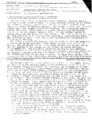
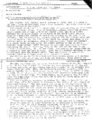
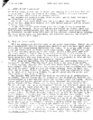
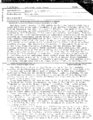
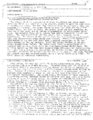
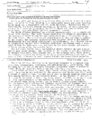
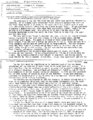
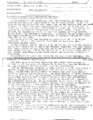
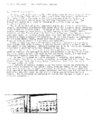
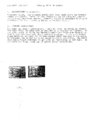
Show 158 East 200 South J. A. Fritsch Block/Guthrie Cyclery HISTORY (continued.): building boom (1889-1392). Father Henry anticipated, that building growth in Prove' would, never equal the growth and opportunity in the state 1 s larger capital city and thus made his move earlier than V/illiam. William may have learned of the great need for architects in Salt Lake City from Richard K. £ Kletting orhis supervising architect, Richard C. Watkins, who were both v;orking on theTerritorial Insane Asylum and numerous houses and schools , in Provo at the time William lived there. William Carroll was a gifted architect and quickly became the most prolific architect in Salt Lake City. By 1890 he had entered into a partnership with Martin Didicus Kern, a prominent architect who practiced widely in the territory from the 1880s until 1890. After dissolving the partnership with Carroll in March of 1892 Kern apparently moved from office to office and spent large sums of money on lavish, full-page advertisements, and then disappeared from the architectural scene in 1898* Carroll, however continued in independent practice until 1908, his active architectural career having spanned twenty-five years. Some of his important \vorks include the Walker Brothers & Flyer Store, S. S. Walker Opera House Block, M. H. Walker Terrace, Gladstone Building, J. A. Fritsch Block, Fritsch Hotel, Bertolini Block, Mrs. William Jennings residence, J. H. Bennett stores and hotel, and Stringfellow Brothers Block, ; riiirif |