| OCR Text |
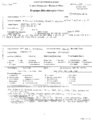
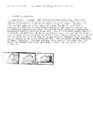
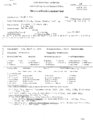
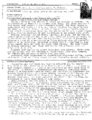
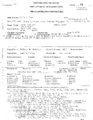
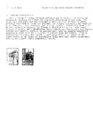
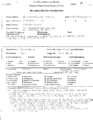
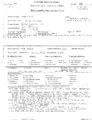
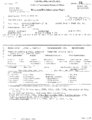
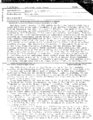
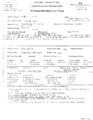
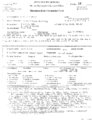
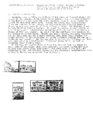
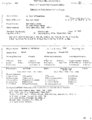
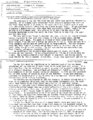
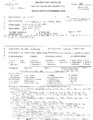
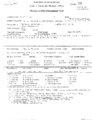
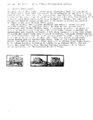
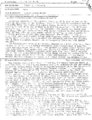
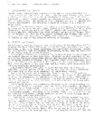
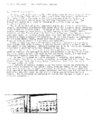
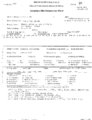
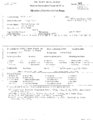
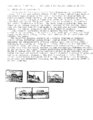
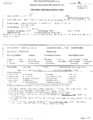
Show Street Address:______________________102 >J. 300 South """ n "" ""• J----U-- •-•-. . ; Site No: T-.J-.-"- Architecj/Builder: Charles B. Onderdonk Building Materials: "brick ----:-----------_,. _|--.,._,.-----------------------------------------------------------------------------------------------------------:-----,------------------------------------------------------------------------ Building JType/Sty!e:p ra i r ie Style-Classical Revival Influence Description of physical appearance & significant architectural features: (Includd additions, alterations, ancillary structures, and landscaping if applicable) Th<J5 Peery Hotel was built during a period of hotel expansion in Salt Lake (fity caused by a. rapid increase of immigrant population during the Utah mining boom. The discovery of numerous rich mining districts from the late 1880s[through thebeginning of the 20th Century brought large numbers of Ameridan and ethnic groups to work in the Utah mines and related businesses. The Pfery Hotel, built to accommodate these newcomers, was constructed through the capital of the Peery family, a prominent Salt Lake-Ogden family. It wa.& constructed in 1910 just one year after the completion of thecity 1 s tow nicfjor railroad depots, and is located on the same street as the Denver Rio Gipande Depot, two blocks to the east. Th4 hotel was built by two sons of David Harold Peery, a prominent Ogden merchant and banker. In 1862, David H. Peery of Virginia enlisted in the Confederate Army and in that same year was converted to the Mormon Church. The fallowing year his successful dry goods business and six adjacent storehouses were burned to the ground by the Union Army. Practically penniless, he decided to move to the Salt Lake Valley where he could find fellowship in the company of other Mormons. After a. few years in Mill Creek, an ar^a just south of Salt Lake City,Peery moved to Ogden where he successfully |developed interests in merchandising and banking. He was one of the organizers of the Ogden Daily Evening Herald and was appointed manager of Statement of Historical Significance: Construction Date: 1910 Thd Peery Hotel is a. three-story cream-colored brick structure in which . elements of the Prairie Style are combined with motifs of classical revival influence. The hotel was built in 1910 and was designed by Charles B. Onderdonk, a Salt Lake City architect. The flat-roofed structure has a. rectangular plan on thebasement and first floors and an "Mtf shaped plan 5 the £ rooi unprotect steel :columns supporting the structure at the basement level. The loadbearing columns above are concealed within wooden-boxed classical columns and -nails. The front facade is symmetrical. The brickwork is laid in stretcher bond pattern and there are quoins at the corners of each wing. Two moderately projecting cornices of galvanized, tin feature paired brackets an egg~and~da.rt band and a moulded frieze. The first floor elevation is composed of fixed sash storefront windov/s with transom \vindov/s above. The upper level window bays are rectangular and contain two-over-two doublehung gashes with fixdd sashes above. The detailing of the front facade demon titrates some aspects of the Prairie Style. The stone belt course . running below the cornices intersect at the corners of the wings with r.-iotifc of I'/rightian influence. A pair of inlaid Latin crosses of green and ru.;ru. colored, tiles are located on either side of the central upper level ^-dowp,< A lobby occupies the first floor of the central wing/ The stairco -;'^., ll-f^ the- focal point of the room and has a classically carved railing Hn '\ Isthe-turned baluctry. The posts, boxed in square wooden columns, have ' !V'_'}.'-v.*ito ionic and egg-an d-d art motif is carried "through to the interior " . ;. uc-:oorstes tho ceiling cornices of the wood-paneled vestibule. The ;-;lri-il \vooci paneling is intact. Paneled wainscoting also lines, the walls w._-l_1^_L_.^ _ _ ._ _ _1 _ ^^ -> -i _ T _ ~i r\*-\ i i -^ -i*.. _ . |