| OCR Text |
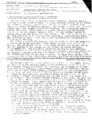
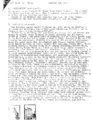
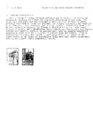
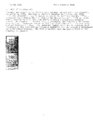
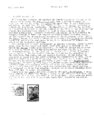
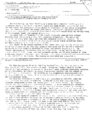
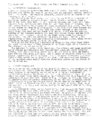
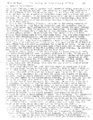
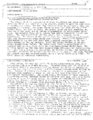
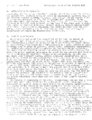
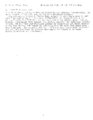
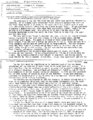
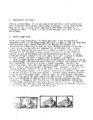
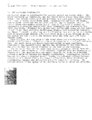
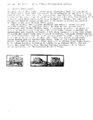
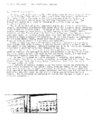
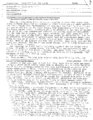
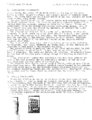
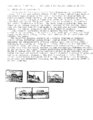
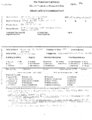
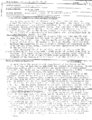
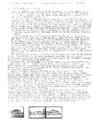
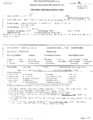
Show >o-72 South Main Street MeIntyre Building if, ARCHITECTURE (c9ntinued): are intact, as are many of the heavy brass light fixtures, The original elevators have been replaced. Recent paneling detract from the- original condition of some interior partitions. Owners of the Mclntyre have recently repainted the front facade, accentuating the fine Sullivanesque character of the building. 5. HISTORY (continued): The building permit record (November 18, 1908) shows, in addition to the owner and architect, the builders the Vanderhorst Brothers, and the estimated cost of construction $180,000. Richard K. A. Kletting, the architect, v/as German born and trained and worked on several major European projects, including the Bon Marche, Credit de Lyanais, and Sacre Coeur at Monmarte, all in France, before coming to the United States and settling in Utah in 1883. Because of his excellent training and experience, Kletting soon rose to the top of his profession. Among his major works were the original Salt Palace, Saltair Pavilion, State Mental Hospital at Provo, Deseret News Building, Cullin Hotel, Board of Trade Building, Brigham Young Trust Company Buildings, Karrick Block, Lollin Block, Hooper Block and a. host of other major public commercial, religious, recreational and domestic structures. Kletting was initially a classicist but had a progressive mind and was capable of keeping abreast of the most current architectural trends of his time. His varied works show influences of Richardsonian Romanesque, some excellent examples of Sullivanesque, as well as his better known Beaux-Arts Classicism masterpiecThe Mclntyre Building is a remarkable Sullivanesque building. Sullivan had himself introduced the style to Salt Lake City in 1894 via his modest Dooly Building (razed)-; Kletting 1 s building, however, was in many ways superior to the Dooly, which was never personally supervised by Sullivan. The Mclntyre Building is strikingly similar to the Gage Building (18981899$ Chicago) and has the soaring vertical effect created by unbroken piers which terminate under the cornice, typical of Sullivanesque architecture . The planes between the piers contain the windows and spandrels which' are recessed behind the face of the piers. The ornamental cartouches between the piers show Sullivanesque influence but are distinctively Kletting 1 s designs. Even Kletting 1 s earliest buildings had classical cartouches with dates affixed. From a technological standpoint, the Kclntyre Building was the prototype for later reinforced concrete skyscrapers in Utah. Kletting, a life member of the Utah Society of Professional Engineers, had always been an innovator in engineering. His Saltair 'Vavilion had a domed roof v/hich spanned 1/fO feet by 252 feet and measured ,;r:jm tip to tip, l,lllf feet overall. The only comparable structure, the L]-opular round pavilion at Manhattan Beach, New York, was only 95 feet in liarneter, Kletting later developed iron-reinforced concrete systems befor ; sliding the steel-reinforced Mclntyre building. The handsome design, he mastery of the early modern architectural philosophy of Louis Sullivan o.e personal accomplishments and contributions of both theovmer and echitect of the Mclntyre Building assure its historical significance. |