| OCR Text |
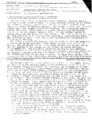
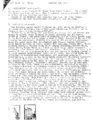
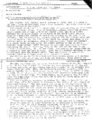
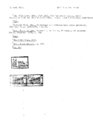
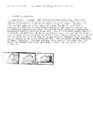
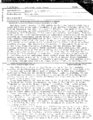
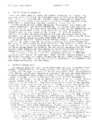
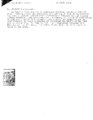
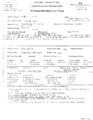
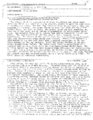
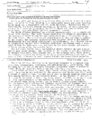
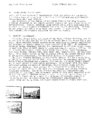
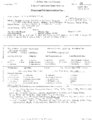
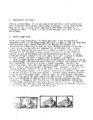
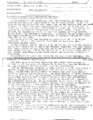
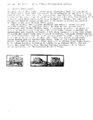
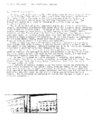
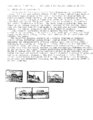
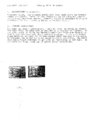
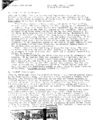
Show 236 South Main Street ' Karrick Block 4. ARCHITECTURE (continued): casing and trim, were all used, yet without confusing the design. The vertical thrust of facade was counterbalanced by the strong horizontal lines of the cornices and belt courses. Much variation of planes was apparent as the center voids created deep shadows while corbeled stone, brick and tin decoration cast its delicately formed shadows. Having spoken in past tense concerning the original appearance, the present appearance will now be considered. The bottom floor has been radically altered. The side entry has been blocked up, the banded pilaster has been covered with smooth faced stone and the only entry bay is now slightly south of the center of the faca.de. The present entrance is splayed, is deeply recessed and has an old door and transom but is not original. As in the original scheme, large panes of plate glass are used but the original design has been completely modified. The second and third levels are relatively intact. Shutters have been added to the windows and the cantilevered porches have been removed (but the original iron railing has been retained). The cornice is still intact except for the tv/o large pinnacles and flagpole which have been removed. The major change which was modified the building 1 s appearance is the light colored paint which covers the surface of almost the entire building, diminishing the effect of the original texture, color and detailing. The interior of the main floor was slightly remodeled in 1905 when Leyson-Pearsall leased the building. Their original jewelry cases, all of the wooden moulding, the ornate pressed tin ceiling, large beveled mirrors, all remain. The upper floors are relatively unchanged^ have suffered from only minor remodeling over the years. 5. HISTORY (continued): The Karrick Block was built as an investment property to receive rental income. Roberts and Nelden Drugs, a large wholesale and retail druggist company, was the major occupant of the building until 1905* Established in 1383* "Roberts and Nelden operated an extensive chemical and drug wholesale business throughout Utah, Idaho, Montana., Wyoming, eastern Nevada and western Colorado. After Mr. Karrick 1 s death in 1§05 the building was leased to its present occupants, Leyson-Pearsall Jewelry, a retail jewelry company established in the late 19th Century by J. H. Leyson, Alfred W. McCune, and C. R. Pearsall. Whenfirst occupied, the rear of the building contained, a room where jewelry was ma.de, A gambling hall was located on the second floor. There were also eight apartments maintained by prostielites, several of whose names remain on. the doors. Doctors and other professionals also had offices on the upper floors of the building. Architect Richard K. A. Kletting designed the three-story brick and stot structure which was built a.ta. cost of $18,-00. Kletting had come to Utah :'iii 188^j- after beginning a. successful architectural career in Germany and 'ranee. Soon after arriving, Kletting established himself as the premier ;;-chitect of the Interrnountain West. His .notable works include the Utah tate Capitol, original Salt Palace, Saltair Resort Pavilion, Cullen Hotel . Toritorisl Insane Asylum, Deseret News Building, Mclntyre Building, and )-feral hundred other major structures. Trained as a Classicist in the '.. -iUx-Arts fashion, Kletting was nevertheless quick to assimilate America 1 1 "icus design movements as they developed. He capably mastered and helpe advance Richardsonian Romanesque, Beaux-Arts Classicism, the Second - :issanco Revival, the Commercial Style, and Sullivanesque^architecture. ' ; ;in~ was a master stone mason, an extremely skillful engineer, a , Vtive designer and an avid environmentalist. He pioneered trie use of • reinforced concrete -construction in Utah and must be considered -'-'- ' -P-*i v> r- }- ri (-\ -} P r>"n .^TChit OC t . |