| OCR Text |
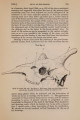
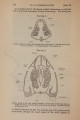
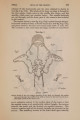
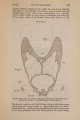
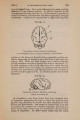
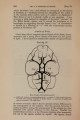
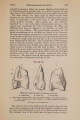
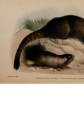
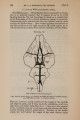
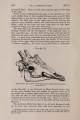
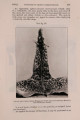
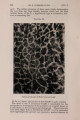
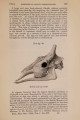
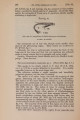
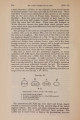
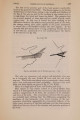
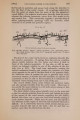
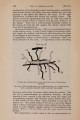
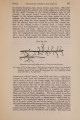
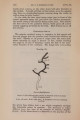
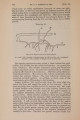
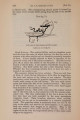
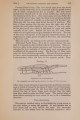
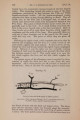
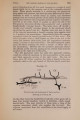
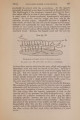
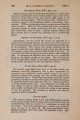
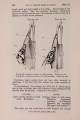
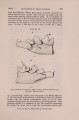
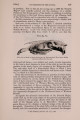
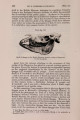
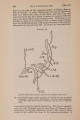
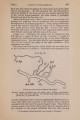
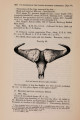
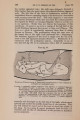
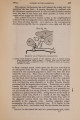
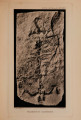
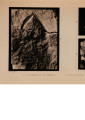
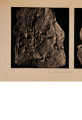
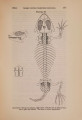
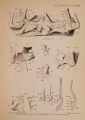
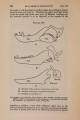
Show 1904.] PECULIARITIES IN CERTAIN MAMMALS. 419 There are, of course, cases where we are at a loss to give the proper explanation of a numerical variation-to state, that is, which of the teeth is the supernumerary ; but that depends often on particular circumstances inherent to the species, as in the case of an Ateles marginatum in the Natural History Museum (No. 1214 B), on which great stress has been laid. This specimen has four premolars in each upper jaw instead of three. " There is nothing in this specimen to indicate that any of these teeth should be considered supernumerary more than any other ; and in the absence of such evidence it would, as I think, be best to regard the four premolars in this specimen as collectively representing the three premolars of the normal. For just as a stick may be broken into three pieces or into four, so would it seem to be with Multiple Parts."* The simile would be appropriate if Ateles margincttus, or the other species of the genus, presented us with numerous instances of four premolars ; but among hundreds of examined specimens this is the only one in which the "stick" has been broken into four " pieces." The reason why we cannot in this instance state which of the four teeth is the supernumerary, depends on the exceeding likeness in size and shape between the upper premolars of Ateles. If instead of being acquainted with only one stage in the life-history of this specimen, we had been able to watch it from its childhood and follow the gradual development and coming in place of the premolars, we would presumably not have been left in the dark as to the individualities of the premolars in question. II. Twofcetal skulls of the Springbok (Antidorcas euchore Zimm.), one undoubtedly female (text-fig. 80, p. 420), the other probably male (text-fig. 81); both exhibiting calcified upper canines. The dry skulls were kindly forwarded to me by our corresponding member, Dr. R. Broom, of Pearston, South Africa, who previously wrote to me that he had found small canines in male (?) and female Springboks before birth, adding that he thought they never cut the gum. The female skull, which appears to be slightly younger than the other, has a basal length of 47 millim.; the second deciduous molar is about to cut the gum, the first and third being slightly more retarded. The anteroinferior tapering termination of the maxillary presents on either side a shallow furrow, in which is imbedded a diminutive somewhat club-shaped tooth, in a pro- "cumbent position, parallel to the long axis of the skull. The anterior portion of the tooth, which is scarcely over 1 millim. long, is thicker than the posterior; the latter shows an open root, so that the tooth may not have attained its full length. In the second skull, which, according to what Dr. Broom informs me, is presumably that of a male, the shape of the teeth is the same as in the * Bateson, op. cit. pp. 113, 114. PROC. ZOOL. Soc-1904, VOL. I. No. XXVIII. 28 |