| OCR Text |
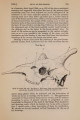
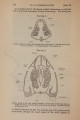
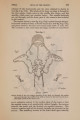
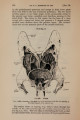
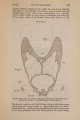
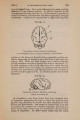
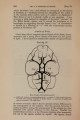
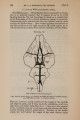
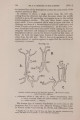
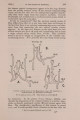
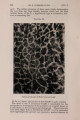
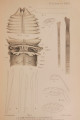
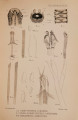
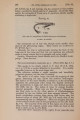
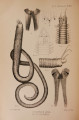
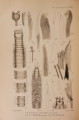
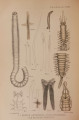
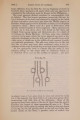
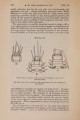
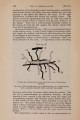
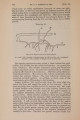
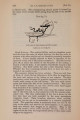
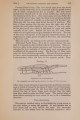
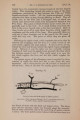
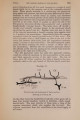
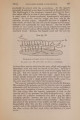
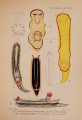
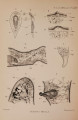
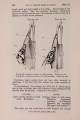
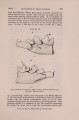
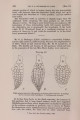
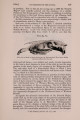
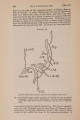
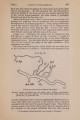
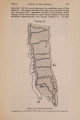
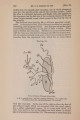
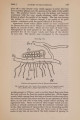
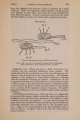
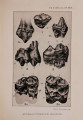
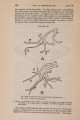
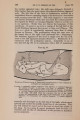
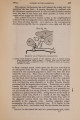
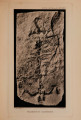
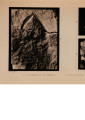
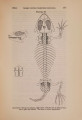
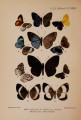
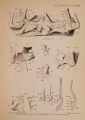
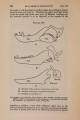
Show 1904.] ON A RECENTLY DISCOVERED TURBELLARIAN WORM. 407 2. On the Turbellarian Worm Avayina incola, with a Note on the Classification of the Proporidce. By R O B E RT T. LEIPER, Research Student, Glasgow University (Embryological Laboratory) *. [Received February 2,1904.] (Plate XXV.) t The Turbellarian which forms the subject of the present paper was briefly described by me at the Meeting of the British Association for the Advancement of Science held at Belfast in 1902. The chief characters were pointed out and the name of Avagina incola gen. et sp. nov. given to it, in a report of that Meeting in 'Nature' (cfi vol. lxvi. p. 641, 1902). It was observed by me to be present in the " accessory canal " of about five per cent, of the specimens of the common Heart- Urchin, Echinocardium cordatum Penn., collected from Karnes Bay, Cumbrae, N.B., in the summer of 1902, and is of interest as being the only recorded example of distinct parasitism among the Accelous Turbellaria (in.) %. General Features (Plate XXV. figs. 1, 2). A. incola is whitish and moderately translucent in appearance, leaf-like in shape, obovate in outline when contracted, lanceolate when extended, the blunt end being anterior. It measures in length 2-5 mm., in breadth transversely "6 mm., dorsi-ventrally •2 mm., and progresses by a slow creeping spiral movement. Several examples are usually found in the same host. Integument (Plate XXV. fig. 3). The integument consists, as in other Accela, of (1) a muscular network of single, circular, oblique, and longitudinal fibres abutting on the superficial parenchyma, and (2) a granular cuticle uniformly covered with cilia. Not unfrequently along the ventral surface, but seldom on the dorsum, the cuticle is swollen by vesicular structures which are sometimes surmounted by large granular projections (fig. 3, A, B). There are no rhabdites or sagittocysts. Mouth (Plate XXV. fig. 4). The mouth is merely an opening in the cuticle exposing the superficial parenchym. Its position on the under surface at about the junction of the anterior fourth with the rest of the body is recognisable in the living animal, even from the dorsal surface on careful focussing, by the converging action of the cilia. There is practically no pharynx. * Communicated by the SECRETARY. t For explanation of the Plate, see p. 411. j Roman numerals in brackets refer to the List of Literature given at the end of this paper. |