| OCR Text |
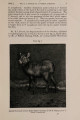
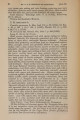
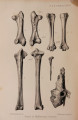
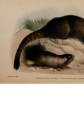
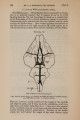
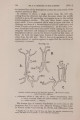
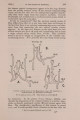
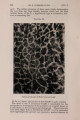
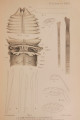
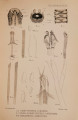
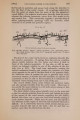
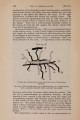
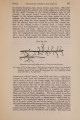
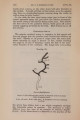
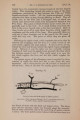
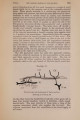
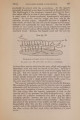
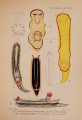
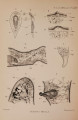
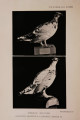
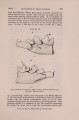
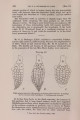
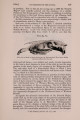
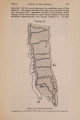
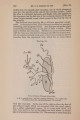
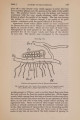
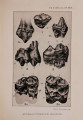
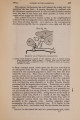
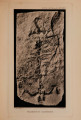
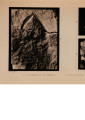
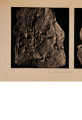
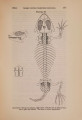
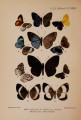
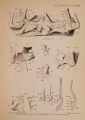
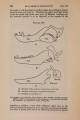
Show 1904.] ON TWO SPECIMENS OF HYBRID GROUSE. 411 In conclusion, I have to acknowledge my indebtedness to Dr. J. F. Gemmill for the privilege of working up m y material in his Laboratory at Glasgow University. To Dr. Teacher, of the Hunterian Museum, also I owe and now tender m y best thanks. Papers referred to. (i.) v. GRAFF.-Die Organisation der Turbellaria Accela. 1890. (II.) V. GRAFF.-Zoologischer Anzeiger, 1892. (in.) V. GRAFF.-Die Turbellarien als Parasiten und Wirte. 1903. (iv.) BOHMIG.-Die Turbellaria Accela der Plankton-Expedition. 1895. (v.) SABUSSOW.-" Haplodiscus ussoioi, n. sp." Mitth. zool. Stat. Neapel. 1896. (vi.) MONTICELLI.-" A proposito del Haplodiscus ussoioi." Atti Soc. Natur. Modena, (4) vol. 1. (VII.) SABUSSOW.-" Bohmigia maris-albi, g. et sp. n." Zool. Anzeig. xxii. p. 89. EXPLANATION OF PLATE XXV. All the figures except fig. 1, which is diagrammatic, were drawn from photomicrographs of sections. List of Beference Letters. Br. Brain, c. Cuticle, d.p. Dermal layer of the parenchyma, d.v. Digestive vacuole. F.d. Frontal ducts. F.g. Frontal glands. F.o. Orifices of frontal ducts. m. Mouth, mus. Muscular layer, ot. Otocyst. ov. Ovary, p. Penis, p.a. Armature of penis, p.s. Parenchymatous strands, s. Cilia, t. Testis, vag. Adventitious " vagina." v.s. Vesicula seminalis* Fig. 1. The general topography of Avagina incola shown diagrammatical^. X 20. 2. Median longitudinal section. X 20. 3. Integument and dermal parenchyma. A X 600. B X 700. 4. Mesial longitudinal section showing " digestive vacuole." X 75. 5. Longitudinal section of anterior end showing frontal glands. X 150. 6. Longitudinal section through male apparatus. X 150. 7. Longitudinal section of posterior extremity showing adventitious opening by which ova are being extruded. X 45. 3. On Two Specimens of " Riporre " with known Parentage. By Dr. EINAR LONNBERG, C.M.Z.S., &c. [Received February 6,1904.] (Plate XXVI.) * When the author of these lines last summer visited the town of Pitea, in Northern Sweden, he had the opportunity of seeing two fine specimens of Riporre, then in the possession of Dr. T. H. Bjorkbomt. The great interest connected with these two specimens is that then parentage is fully known. They are from * For explanation of the Plate, see p. 415. t They are now in the zoological collections of the Gothenburg Museum. |