| OCR Text |
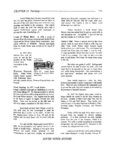
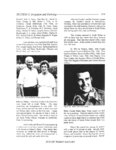
Show CHAPTER 13: F a n n i n g - - - - - - - - - - - - - - - - South Weber dairy farmers poured their milk into five and ten gallon containers and set them on the side of the road where they were retrieved every morning and hauled to the creamery. The vehicle used to carry the milk was nothing more than a regular horse-drawn wagon with sideboards to prevent the cans from falling off. Cream 0' Weber Dairy. In 1924 a group of farmers from the various towns around South Weber organized the Weber Central Dairy Association, later called CREAM 0' WEBER. Several individuals from the South Weber area served on the board of directors. In 1981 when Marlow Poll sold his cows, he was the last member of the Weber Central Dairy Association in the town. Western General When Weber Central Dairy merged with Federated Dairy and other smaller dairies, formed. Dairy. Figure 251. Joseph Staples Sranding by His Cream 0' Weber Dairy Truck. Western General Dairy was Truck fanning. In 1927 Joseph Staples bought a flatbed truck and put sideboards to stop the cans from falling off. He then proceeded to operate the first truck driven milk pickup and delivery service for South Weber farmers. Mr. Staples took the milk to the dairy in Ogden at Ogden Avenue and 26th Street. Each time he picked up the full cans, he delivered empty containers to the dairy farmers. In-as-much as each dairy farmer owned his own milk cans, he was encouraged to paint his individual dairy number on the sides. In that way Mr. Staples knew where to drop off each of the empties and the dairy knew who to credit with the milk. Not only did Mr. Staples pick up and deliver milk, but he provided a very special service to the people of South Weber. Because it was quite often difficult for South Weber residents to find transportation to and from Ogden, he purchased 191 almost any thing they requested and delivered it to them when he returned with the empty milk cans. And anyone who wanted a ride to Ogden could always get one with Joe. Henry Bouchard, a South Weber dairy farmer, was once asked how he got so much milk in one ten-gallon can. He replied, "I fill it to the top and then stomp on it with my boots .• Grade-A Milk. When it became obvious that more money could be made from Grade-A milk than any other kind, South Weber dairy farmers began building their own milk houses. The milk houses had cement vats filled with cold water to cool the milk. A large spoon-like device was used to stir the milk while it was cooling. Not only did that cause the milk to chill faster, but it kept the cream from rising to the top. But what was grade-A milk? Refrigerated coolers had to be used to store the milk, and cold water had to be sprayed on the cans to keep them cool while being transported - thus necessitating a new innovation - insulated milk trucks with cool water sprayers. State health inspectors visited the dairy farmers each month to insure compliance with health laws. They not only scrutinized the equipment used to process the milk, but took samples to be tested for the presence of harmful bacteria. By 1947 the Ogden dairy plant could no longer handle the needs of all the dairy farmers in the area. Because of that a new plant was built in Ogden at 12th and Wall Streets. That facility now controls most of the dairy business in Northern Utah, Southern Idaho, Western Colorado, and Western Wyoming. Today (1990) the milk from dairy cows is stripped from the animals by electric milking machines. It is then conveyed via steel pipeline direct from the cow to the strainers, where it is cleaned. The milk is cooled immediately in enclosed refrigerated vats and prepared for shipment to the creamery by refrigerated tank trucks. Some of South Weber's early milk producers were Annie Burnside, Joseph Goodale, George W. SOUTH WEBER HISTORY |