| OCR Text |
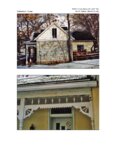
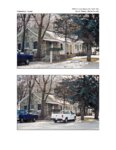
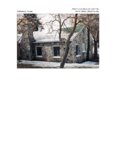
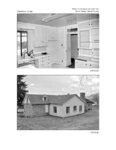
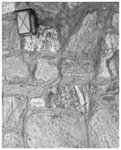
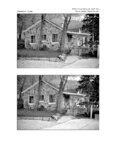
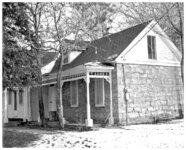
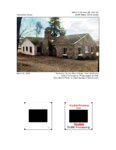
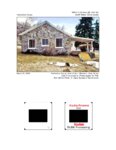
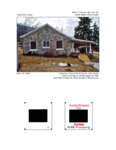
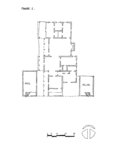
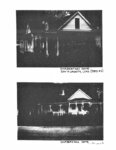
Show The northern portion of the building was the most difficult to interpret (Rooms 5, 6 and 7). It appears that there were two separate additions constructed on this end, one in the 191 Os using the 1910 brick patterning (Room 5) and the other in the 1930s utilizing a rock veneer with an interior of lathe and plaster (Rooms 6 and 7). It appears that a portion of the eastern brick wall in Room 5 was replaced in the 1930s by an extension of the rock addition, which included a large, ornate rock fireplace (Figure 2, dotted line). The closets, bathroom and windows in the northernmost section (Rooms 6 and 7) of the house all appear to date to the 1930s. A rock veneer was also placed on the front (west facade) of the brick wall of the 1910 northern addition (Room 5), likely when the northernmost addition was constructed. The north end of the building would have been constructed when the property was owned and operated by the federal government (Rooms 6 and 7). It is possible that this addition was a Works Progress Administration or Civilian Conservation Corps project, however, no records could be located to substantiate this suggestion. Based on this construction history and an autobiography by Irene Harbertson Kendell, one of the original occupants of the home, it appears that the oldest portion of the house was the southern rock building. The walls in this portion of the building are very thick and the window openings appear to date to the 1870s. This portion of the home held a kitchen (Room 1) with a hallway to the south that led to the upstairs bedroom and a second stairway that led to the cellar. Just north of the kitchen is another addition, a hallway that lead to a dining room (Room 2). This dining room is located in the front of the side-gable addition. It is quite large and has a built in china cabinet and sideboard along the eastern wall. Behind, or east, of the dining room is a brick addition (Rooms 3 and 4), which appeared to house two bedrooms. North of the dining room and bedrooms appears to be a room that was used as a parlor (Room 5). This was later converted to a large gathering room in the 1930s when the northernmost addition was constructed. The north addition consists of two bedrooms, both likely officers quarters, separated by a bathroom and closet space (Rooms 6 and 7). 5 |