| OCR Text |
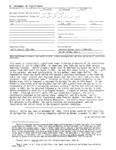
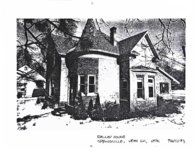
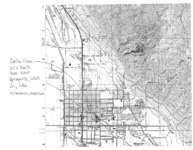
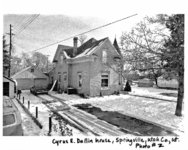
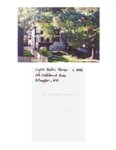
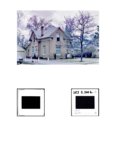
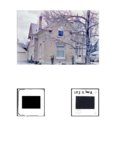
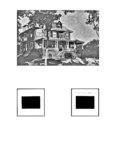
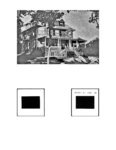
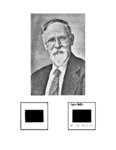
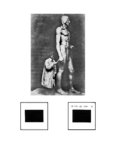
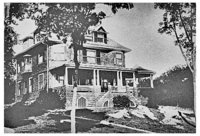
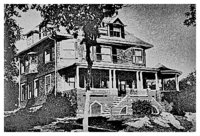
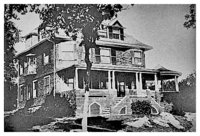
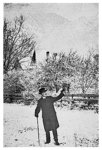
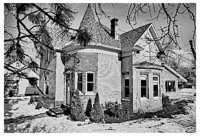
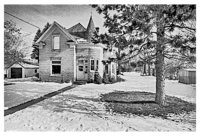
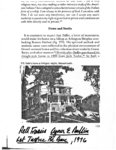
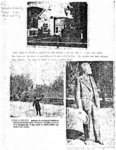
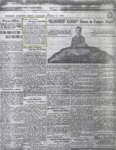
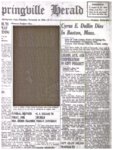
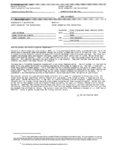
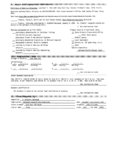
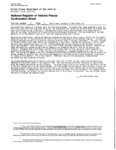
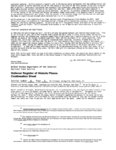
Show 8. Statement of Significance Certifying official has considered the significance of this property in relation to other properties: ..L nationally statewide _ locally A _X_B Applicable National Register Criteria Criteria Considerations (Exceptions) _ A B o C o C Areas of Significance (enter categories from instructions) Dates ART E F G Significant Period of Significance c.1905--c.1938 c.1905 Cultural Affiliation N/A Significant Person Oallin, Cyrus E. (1861-1944) Architect/Builder architect: Whitney, Lewis J. (1874-1954) builder: Whitney, Lewis J. State significance of property, and justify criteria, criteria considerations, and areas and periods of significance noted above. This house is significant because it is historically associated with Cyrus E. Oallin (1861-1944), the late 19th and early 20th century American sculptor. Because of its association with Oallin, the property is presented for nomination under criterion B. As will be discussed, Oallin played a major role in American sculpture during his long career (1883-1944). Oallin had this house built as a gift to his parents and most particularly his mother, Jane Hamer Oallin, in c. 1905. Oallin constantly returned to Springville and to this house. The substantial house was built beside his parent's previous residence, a two room log cabin that had been moved on to the sight, which had been the sculptor's late adolescent home. 3 The house was directly associated with the sculptor and his family until 1938 and was built in consequence to the crest of Oallin's national acclaim. 4 Oallin left his native state in 1880. He return twice to reside in Utah before permanently resettling in Arlington Heights, a suburb of Boston, Massachusetts in 1900. Although Oallin's adult life was conducted elsewhere, the artist continually returned to his native state, community, and this house. Dallin maintained that his artistic inspiration came from his mother and the themes of his youth. The Dallin House represent both his devotion to his mother and the inspiration the artist found in the western landscape. ..L See continuation sheet 3 Dallln's biographer and the llllidence he found suggest Dallln was bom In another log cabin, first located In Springville'. pioneer fort. Later, this cabin was mOlllld to 350 East 100 South, also In Springville, where Callin spent his youngest years. Callin's father Thomas Dallln, who was a busln... speculator and miner, purchased the lot dlscuued here In 1888. A second cabin which hed been prlllliou. bulH was moved on to thl. ane. In the nineteen-teens, thle cabin was mOlllld to Castlllla Hot Springs, a Callin family owned resort located In the mouth of nearby Spanish Fork Canyon (Utah County, Utah). The whereabouts of this second cabin, ~ H stili exist, Is not known. Rell G. Francl., Cyrus E. Call1n, Let Justice Be Done (Springville, Utah: Springville Museum of Art and Utah American Revolution Bicentennial Commission, 1976) 3-4 and 162. 4 Swanson, Vem G.,~ (Salt Lake City: Peregrine SmHh Books, 1991) 85. |