| OCR Text |
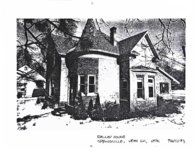
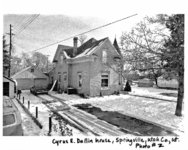
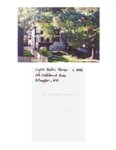
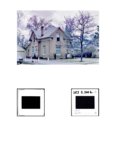
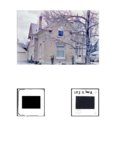
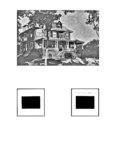
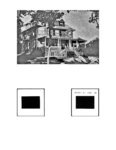
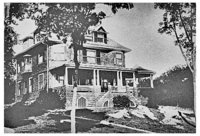
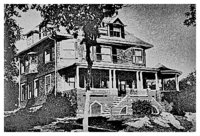
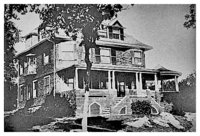
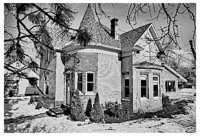
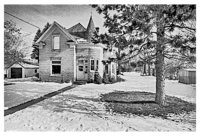
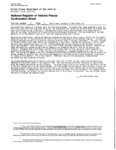
Show and appear to have been built simultaneously. On the interior, wooden lathe was affixed to the adobe, acting as key to the interior plaster walls. This material combination (kiln dried brick, adobe, lathe-and-plaster) was common to the wasatch Front. This type of wall has functioned relatively well in Utah since shortly after the pioneer period. However, this wall, as with any earthen wall construction, can be de-stabilized by any number of conditions including excessive moisture (along with the Utah's freeze-thaw cycle) or an unstable substructure. Both of these conditions have, more-or-less, occurred in this house -- although they can be stabilized. The upper walls have sustained some water damage due to roof leaks although there is no evidence the moisture in the foundation is wicking or moving up the walls from the foundation. The affect of the unstable foundation on the adobe/brick wall can be observed in the compression of the exterior wall on the west or front facade, under the first floor parlor window. This sinking of the wall follows up to the second storey. The parlor floor also slopes towards the west because the joist rests on the gradually sinking foundation. There are numerous step cracks on the west and south facades. On south facade, near the back leanto addition, there is a long vertical tear in the exterior brick reaching across at least 50% of this elevation. These cracks may have been caused by settling in the front of the house. There are no signs of fresh masonry dust in-or-around the cracks and the interiors surfaces of the cracks are dark, a condition caused by atmospheric pollutants, suggesting these cracks have developed over a long period of time. Damage to the interior plaster does not necessarily follow the same damage patterns on the exterior, suggest an uneven settling between the different wall components. The stronger kiln dried exterior brick and concrete mortar, although less then a 1/3 of the monolithic wall, appears to be taking most of the stress caused by the settling. Before any repairs are initiated, the source of the moisture infiltration must be identified and checked. Further investigation is essential before a definite treatment is prescribed. The final treatment might include selective excavation, masonry repairs, and reinforcement (possibly section r eplacement with reinforced concrete), re-parging the surface and waterproofing. Also, retrofitting and transferring some or all ~f the load to a second substructure could also be done. It is strongly recommended that a structural engineer be consulted. The cost for repairing the foundation and the cost required in repair and re-pointing the exterior brickwork can not be determined until an appropriate treatment has been decided for the foundation. After the foundation has been stabilized, the exterior wall should be selectively repointed -- matching hue, |