| OCR Text |
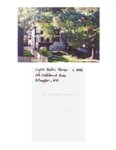
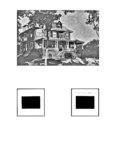
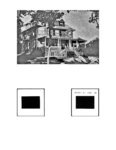
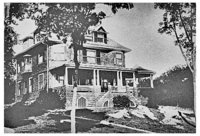
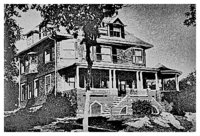
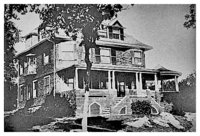
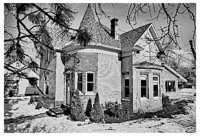
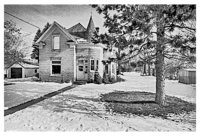
Show stacks which damaged surrounding interior walls and the foundation. Impending rehabilitation of the exterior as communicated by the owners includes: selective re-pointing of damaged brick masonry joints, cleaning the exterior masonry, refinishing the windows and replacing lost or broken facia and soffit boards. No additions or alterations to the exterior have been proposed by the owners. Impending rehabilitation of the interior includes: covering the cracked and damaged lathe-and-p1aster walls and ceilings with dry-wall throughout; refinishing or painting all surfaces including the wood floors, the open staircase, and the finish woodwork; and completely remodeling the 1eanto kitchen addition. Load Bearing Walls The foundation has suffered a gradual long-term infiltration of water, causing a gradual disintegration of the masonry mortar. This has in turn caused the foundation walls to compress, creating uneven loads in the walls. This condition could cause some form of structural failure, either in a contained area or throughout the structure. Further investigation should be carried out by a soil engineer and a structural engineer. The foundation is uncoursed fieldstone laid originally with a soft lime-base mortar. On an average, this type of foundation contains between 25% and 40% mortar in total volume. On the west, south, northwest and on selected areas of the interior foundation walls, the mortar has lost much its original binding quality and strength. Much of the lime (cementing material) appears to have leached out of the mortar. The mortar still bonded to the masonry appears rich in aggregate and weak. Also, the wall stones do not appear to have been firmly knitted and an excess of mortar was used when the foundation was constructed. The exposed exterior surfaces is covered with large flat limestones, dressed with cement mortar (appears to have been repointed). Much of this mortar has broken free in the same areas described above. On the west wall, where the brick wall meets the foundation, small flat pieces of red sandstone and mortar have been pushed into the wall, possibly decades ago, to fill-in gaps in the sinking foundation. The house has two cellar rooms. The first, which is original to the house, is located below the parlor (northwest corner). The second is located below the original kitchen area (center north) and was excavated and finished circa 1938, shortly after the house was purchased by J. Lewis Bird, the present owner's |