| OCR Text |
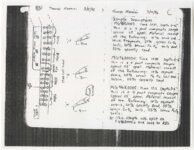
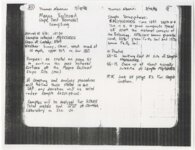
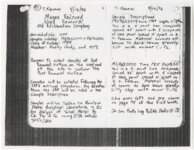
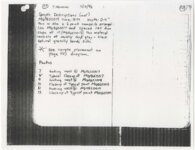
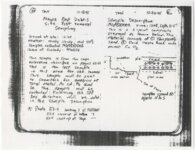
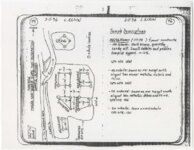
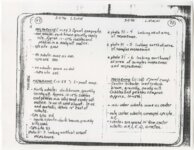
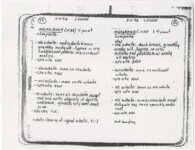
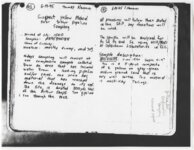
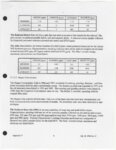
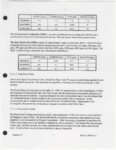
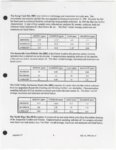
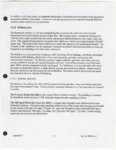
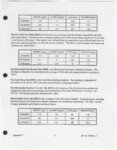
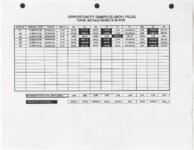
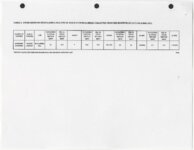
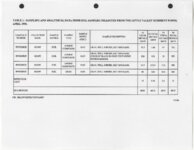
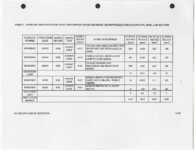
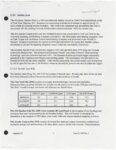
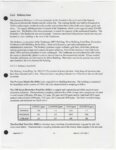
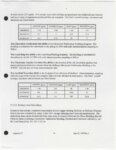
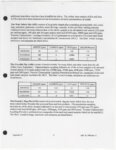
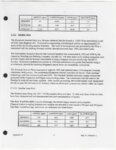
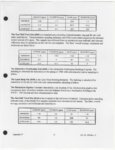
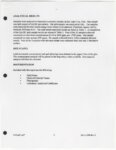
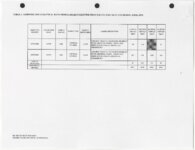
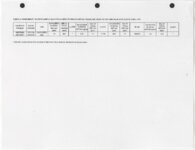
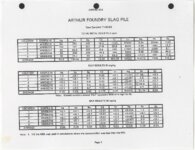
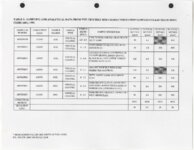
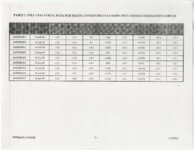
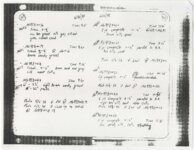
Show to 4 inches below surface). An additional thirteen samples were collected as vertical channel samples from test pits excavated with a rubber tired backhoe. The test pits were excavated to a depth not exceeding four feet so they could be safely entered and sampled by hand. The pits were then advanced in two feet vertical increments, and the excavated soil was placed on the surface in a separate pile where a composite sample of the two feet interval could be collected. Some sample intervals were adjusted to include only similar looking material and were less than or greater than two vertical feet. All sample material was collected using disposable plastic spoons and cups and was placed in one gallon-sized plastic sealed bags. Sample descriptions were recorded in the field notes that are included with this report. Photographs of sampling location and samples material were taken and are also included in this report. ANALYSIS AND RESULTS All the samples were analyzed at KEL laboratory for total arsenic, cadmium, lead and selenium concentrations using the Environmental Protection Agency (EPA) SW-846 Methods 3050 (preparation) and 6010 (analytical/ICP, 7471 for mercury). All of the samples were also analyzed for leachable arsenic, barium, cadmium, chromium, lead, mercury, selenium and silver (RCRA 8 metals) concentrations using EPA Method 1312 (Synthetic Precipitation Leaching Procedure/SPLP). The analytical results for total metal concentrations are listed in Table 1. The results of the SPLP analysis are listed in Table 2. Two of the samples were split as part of QA/QC procedures. The split samples were dried and crushed to less than 100 standard sieve size after the initial analysis (as described above) was completed. The splits samples were analyzed for total arsenic, barium, cadmium, chromium, lead, mercury, selenium and silver (RCRA eight metals) concentrations by Mountain States Analytical Laboratory (MSAL) and by KEL using the same analytical methods (SW-846 3050/6010, 7471 for mercury). The results from both laboratories were compared by calculating the relative percent difference (RPD). The results of the split sample analyses were used for QA/QC purposes only and the original "unprepared" sample analysis is considered the reportable results. The results of the split samples analysis are listed in Table 3. Total Metals Analytical Results Concentrations of total arsenic, and/or lead were detected above the action levels in nine of the 27 samples collected. In eight of the samples, arsenic concentrations were found to be above the action level of 200 ppm, with the concentrations ranging from 200 to 850 ppm. In eight samples arsenic concentration was above 100 ppm (and below the action level), which required leachability analysis (SPLP). One sample contained total lead above the action level of 2000 ppm. The elevated lead concentration was 2270 ppm. In 18 samples lead concentration was greater than 100 ppm (and below the action level of 2000 ppm), which required leachability analysis (SPLP). In these samples concentrations ranged from 110 to 1230 ppm and averaged 517 ppm. M06ZRPT.DOC 2 11/28/01 |