| OCR Text |
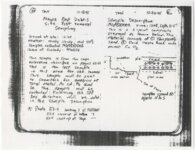
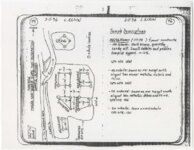
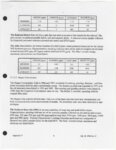
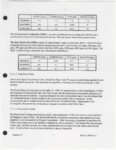
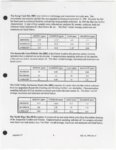
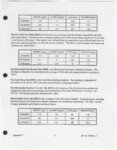
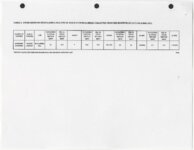
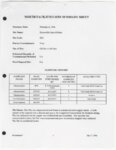
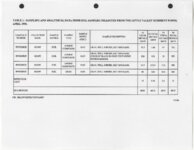
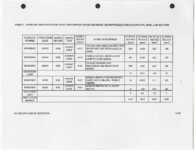
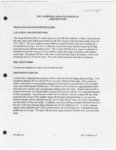
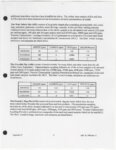
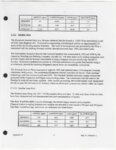
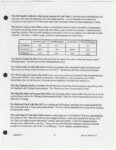
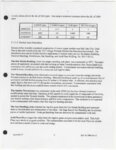
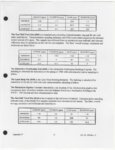
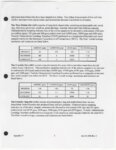
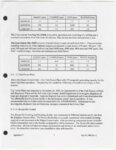
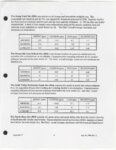
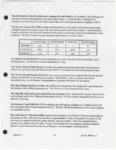
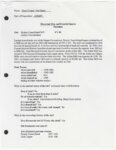
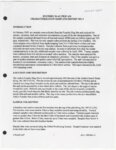
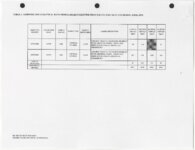
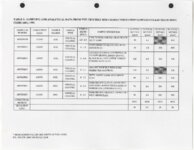
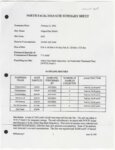
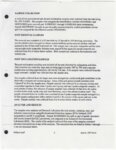
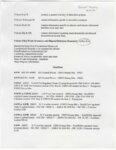
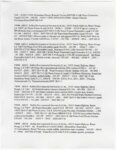
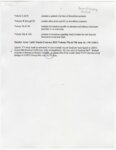
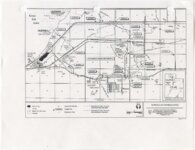
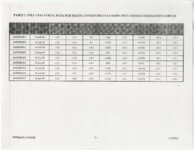
Show • PREVIOUS WORK The east portion of the site (approximately 4.5 acres) was investigated in 1994 by Kennecott Environmental Affairs personnel (see Attachment 1, Railroad Scrap Yard (BOJ) Field Sampling Plan August 12, 1994). Eight composite samples were collected from the site. Six additional grab samples were collected from piles thought to be concentrate. The samples were analyzed for total arsenic, barium, cadmium, chromium, copper, mercury, lead, selenium, and silver (RCRA eight) concentrations and for Synthetic Precipitation Leachability Procedure (SPLP) for the RCRA eight metals. The samples collected from the six piles contained elevated concentrations of copper, arsenic, cadmium, and/or lead. Two of the eight composite samples contained elevated arsenic concentrations and the other six were low in all analytes. The two elevated samples were thought to have been influenced by nearby concentrate piles. None of the composite samples were found to be leachable by SPLP. The concentrate was recycled and the site was used as borrow for the Old Magna Mill reclamation project. The site was then recontoured with local soil and waste rock and seeded. In March 1995 four soil samples were collected from the seeded area and analyzed for pH because vegetation growth was poor (see Attachment 2, Railroad Scrap Yard Site BOJ pH Sampling). The pH's ranged from 5.4 to 6.8. SAMPLE COLLECTION • A total of four, five-point composite soil samples were collected from the laydown area of the site (Dwg. No. 507-T-0166). Sample locations were arranged in a north-south line with subsites spaced 50 feet apart. Sample material was collected from Oto 8 inches below the surface. Two sample s~tes on either end of the sample line were surveyed using the Global Positioning System (Dwg. No. 507-T-0166). ANALYSIS AND RESULTS The four samples were analyzed for arsenic, lead, cadmium, and selenium concentrations at Chemtech Laboratory using the United States Environmental Protection Agency (EPA) Methods 3050 and 6010. None of the samples were found to contain elevated concentrations of any of the analytes. Arsenic concentrations ranged from 2.95 to 13.6 parts per million (ppm). Cadmium was not detected in two samples, but was detected at 0.74 and 0.60 ppm in the other two. Lead concentrations ranged from 6.5 to 17.8 ppm and selenium was detected in only one sample at 1.15 ppm. Table 1 list the results of the analysis. SITE STATUS • The site is considered closed and no further sampling is planned. bOlcrptl.wpd* , 2 July 3, 1996 Rev. 0 |