| OCR Text |
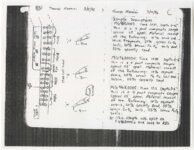
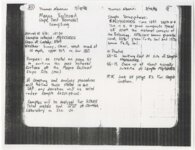
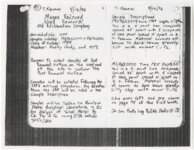
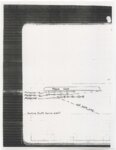
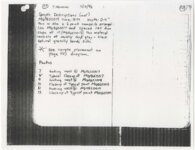
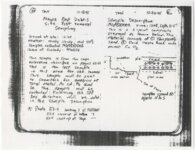
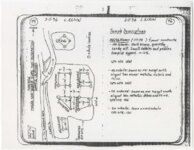
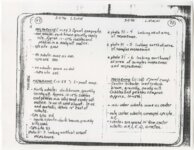
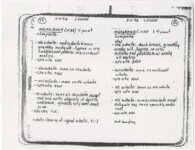
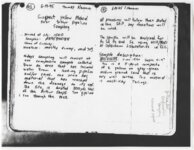
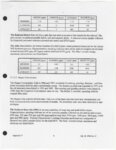
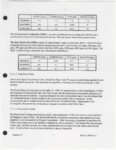
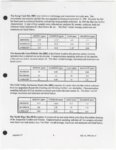
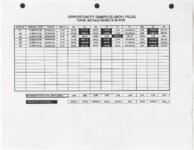
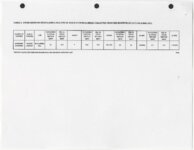
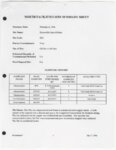
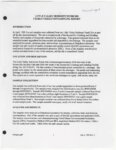
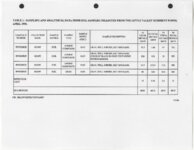
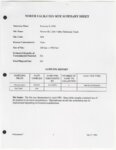
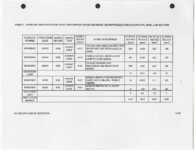
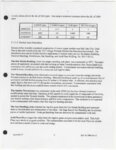
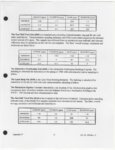
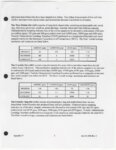
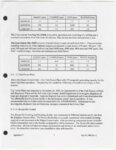
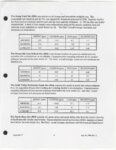
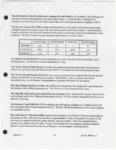
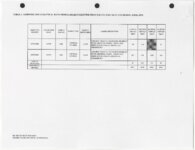
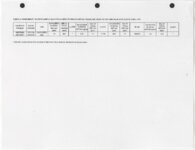
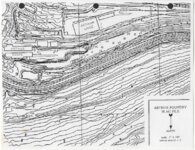
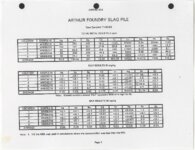
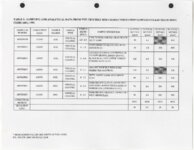
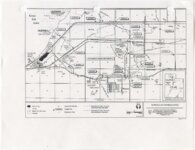
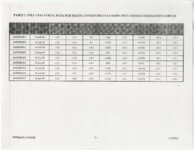
Show • SAMPLE COLLECTION A total of two post removal and six post reclamation samples were collected from the Site (Dwg. No. 507-T-0169). The samples were assigned the identification numbers MG95X0001 and MG95X0002 (post removal) and MG96R0001 through MG96R0006 (post reclamation). Sample MG97R0004 was split as part of quality assurance/quality control procedures and the split was assigned the identification number MG96S000 1. POST REMOVAL SAMPLES The removal area consisted of a 20 feet wide by 15 feet tall by 350 feet long excavation. The sample subsites were arranged in a linear manner halfway up the removal cut face wall and centered in the 20 feet wide horizontal cut. One sample was a six-point composite and the other was an eight-point composite. Subsites were spaced 50 feet apart and sample material was collected from 0 to 6 inches below surface. Both samples had subsites in the horizontal and vertical cuts. POST RECLAMATION SAMPLES • The post reclamation sampling area included all the area disturbed by reclamation activities. This consisted of a relatively large area covering approximately 5-00' by 700' and a separate smaller area covering approximately 100 feet by 100 feet. Five samples were collected from the larger area and 1 sample was collected from the smaller area. The samples collected from the larger area were arranged on a north-south grid established in the field with a compass and measuring tape. Some of the grid points (sample subsites) were "adjusted" to fit in the sample area. Sample material was collected from adjacent subsites and composited together to form three 4-point, one 3-point, and one 2-point composite samples. At each subsite location, five aliquots of sample material were collected 10 feet from the subite location in the north, south, east, and west directions, and at the subsite location itself. The sample collected from the smaller area consisted of one 5-point composite sample arranged in a 30 feet square configuration with a subsite located at the corners of the square and one in the center. Sample material was collected from Oto 4 inches below surface at each subsite. AND - -ANALYSIS -- RESULTS ·•-· - -- -- - - - - - - The samples were analyzed at Chemtech Laboratory for total arsenic, cadmium, lead, and selenium concentrations using Environmental Protection Agency (EPA) Methods 3050 (preparation) and 6010 (analytical). Sample MG96R0004 was split as part of quality assurance and quality control (QA/QC) procedur~s, and analyzed at the Kennecott Environmental Laboratory (KEL). The results of the analysis indicated that none of the samples contained elevated concentrations of any of the analytes. The analytical data are listed in Tables I through 3 and are discussed below. (. M09post. wpd• 2 June 24, 1997 Rev .0 |