| OCR Text |
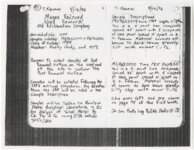
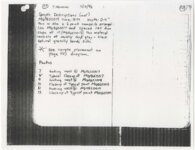
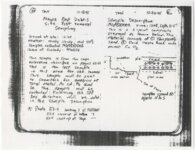
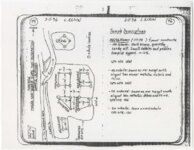
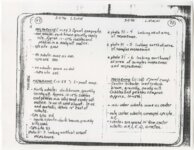
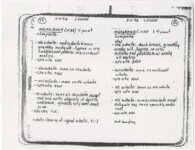
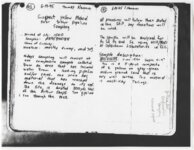
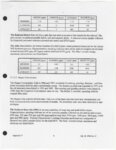
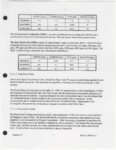
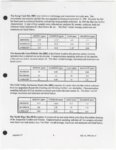
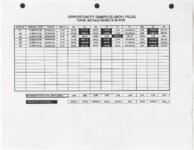
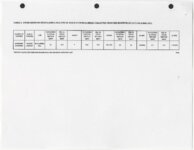
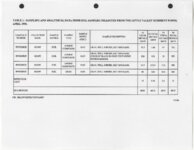
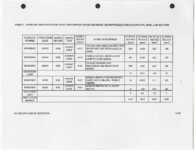
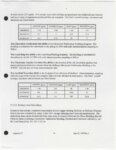
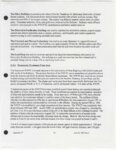
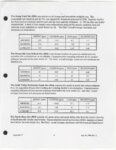
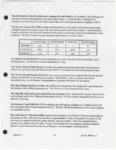
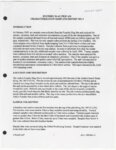
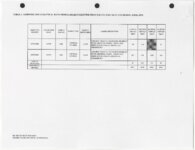
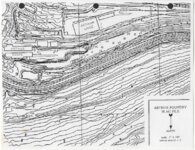
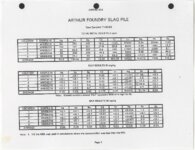
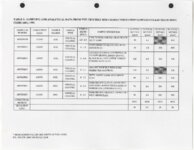
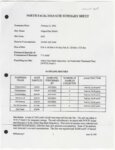
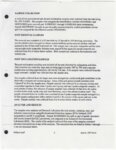
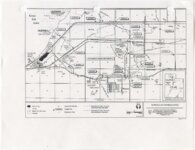
Show • • FOUNDRY SLAG PILE Al0 CHARACTERIZATION SAMPLING REPORT NO. 2 INTRODUCTION In February 1995, ten samples were collected from the Foundry Slag Site and analyzed for arsenic, cadmium, lead, and selenium concentrations as part of the site characterization. One of the samples contained elevated levels of lead and arsenic (8100 parts per million (ppm) and 390 ppm respectively). This was the only sample collected from the surface (0 to 4 inches). The other samples were collected from depths ranging from 3 to 13 feet below surface and none contained elevated levels of metals. Samples collected from a previous investigation also indicated elevated metals from the near surface. In order to determine how deep the metals contamination is in the pile, additional samples were collected in April, 1995. Twenty samples were collected from five test pits excavated with a backhoe. The samples were analyzed for arsenic, cadmium, lead, and selenium at Datachem Laboratory. One of the samples was split as part of quality assurance and quality control (QA/QC) procedures. The split was analyzed at Kennecott Environmental Laboratory (KEL). The results of the analysis indicates slightly elevated lead and arsenic concentrations to 3 feet below surface. This report documents the April 1995 sampling event. LOCATION AND DESCRIPTION The Arthur Foundry Slag Site is located approximately 600 feet east of the Arthur Central Shops (Dwg. No. 507-T-0173). The site covers an area of approximately 150 feet x 750 feet and is situated on a steep slope bounded on the north and south by railroad lines. The top of the pile is flat and can be accessed by a four-wheel drive vehicle. The pile slopes at the angle of repose toward the north. Bedrock outcrops locally to the south of the site but is mostly covered by sandy, gravelly beach deposits that likely underlie the site. The pile contains predominantly slag mixed with soil and metallic debris. The slag is the waste product from the now demolished Arthur Foundry that produced brass and iron parts. SAMPLE COLLECTION A backhoe was used to excavate five trenches into the top of the pile (Dwg. No. 507-T-0155). The trenches were excavated to 4 feet so they could be entered and sampled safely. Vertical channel samples were collected continuously to 4 feet below surface. Vertical sample intervals were no greater than 1 foot for the first 2 feet of the trench and coincided with distinct units if greater than ½ foot. Below 2 feet, intervals up to 3 feet were sampled. Samples from below 4 feet were collected from the backhoe bucket. • Sample sites were surveyed using the Global Positioning System. Sample locations were marked in the field with a 4 foot wood lathe . A I Ocrpt2. wpd* July I, 1996 Rev. 0 |