| OCR Text |
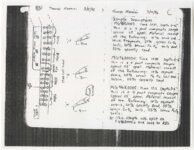
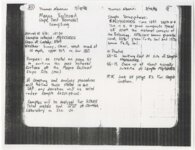
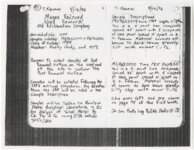
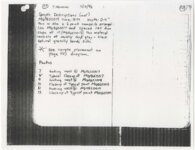
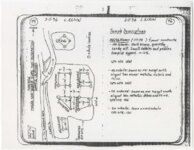
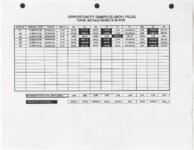
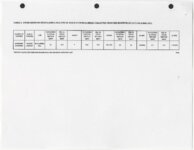
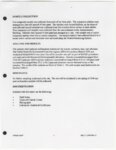
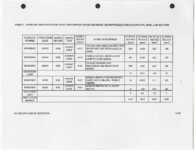
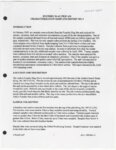
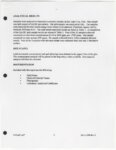
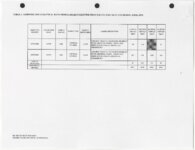
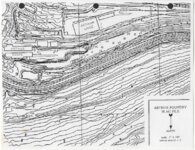
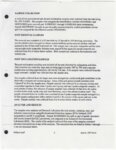
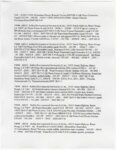
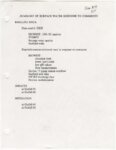
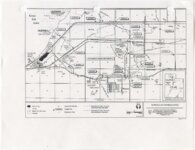
Show • SOIL SAMPLING AND ANALYSIS PLAN ADDENDUM A04 CRUCIBLE SITE (A04) LOCATION AND DESCRIPTION The Crucible Site is located 300 feet south of State Highway 201 and 800 feet northwest of the Arthur Administration Building (Dwg. No. 507-T-0173). The site covers an area of approximately 75 feet by 280 feet and is dissected lengthwise by a dirt road. The topography at the site slopes moderately towards Highway 201 and quartzitic bedrock outcrops at two locations within the site. The land to the north of the site has been recently reclaimed. • The Crucible Site consists of predominately fire assay wast~s from the old Arthur Assay Laboratory. Bricks, slag, crucibles, glass, concrete, and pieces of metal are arranged in linear piles paralleling the dirt road~ The soil is discolored brown, green, and black. The majority of the debris is located immediately north of the dirt road but soil to the south of the road is locally discolored also. The entire extent of the site is unknown. The piles on the north side of the road appear to be approximately 3 to 5 feet deep. PREVIOUS WORK Five samples were collected from the site in June, 1994. The samples were analyzed for total metals ( arsenic, silver, barium, cadmium, chromium, mercury, lead, selenium, and copper). The results of the analysis indicated two samples contained elevated levels of lead (15730 and 16000 parts per million (ppm)) and two samples contained elevated levels of arsenic (80.9 and 88.1 ppm). All the samples contained copper (1338.6, 4931.9, 8647.5; 9623.4, and 284200 ppm) and one sample contained elevated cadmium (101.8 ppm). It is not known what specific materials were sampled but the sample depths documented were from 0 to 6 inches below surface at all locations. PROPOSED SAMPLING It will be necessary to further characterize the Crucible Site. Additional samples will be collected in order to determine which materials contain elevated metals and what is the lateral and vertical extent of the contamination. All samples will be analyzed for total metals content (arsenic, cadmium, lead, and selenium). Separate composite samples of crucibles and bricks will be collected. These samples will be crushed and homogenized prior to analysis. A composite sample of the soil-like material comprising the matrix of the piles will be collected separately by screening in the field to <0.25 inches. Numerous holes will be hand dug from the area between the piles to determine the depth of visibly contaminated soil and/or the natural ground contact and to determine the lateral extent. If necessary, a backhoe will be used to determine the depth • • A04adde.doc* July 1, 1996 Rev. 0 |