| OCR Text |
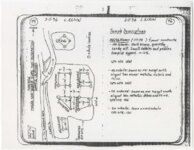
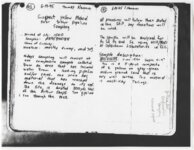
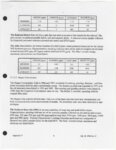
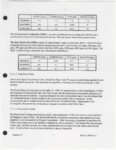
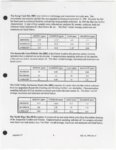
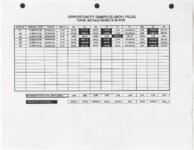
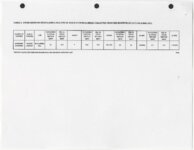
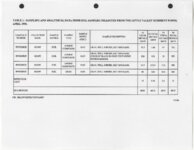
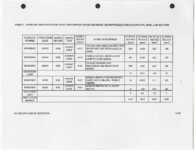
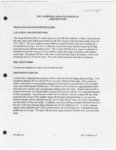
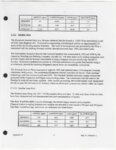
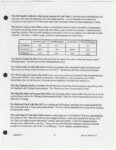
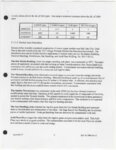
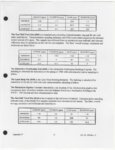
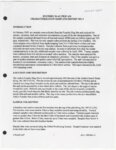
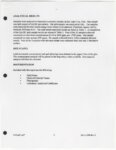
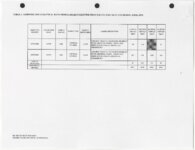
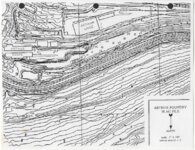
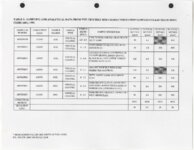
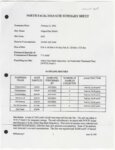
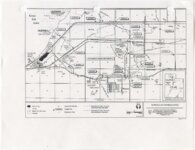
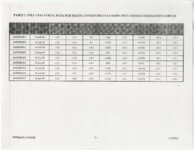
Show • ARTHURAREA CRUCIBLE SITE A04 CHARACTERIZATION SAMPLING REPORT INTRODUCTION In February 1995, twenty-one characterization soil samples were collected from the Arthur Crucible Site. The Crucible Site is located 300 feet south of State Highway 201 and 2400 feet northwest of the Arthur Administration Building. Sixteen of the samples were analyzed at Datachem Laboratory for arsenic, cadmium, lead, and selenium concentrations. The results of the analysis indicated elevated concentrations of lead in six of the samples and elevated arsenic in one of the samples. Based on the analytical results there is an estimated 650 cubic yards of contaminated material at the Crucible Site. LOCATION AND DESCRIPTION • The Crucible Site is located 300 feet south of State Highway 201 and 2400 feet northwest of the Arthur Administration Building (Dwg. No 507-T-0134). The site covers an area of approximately one quarter acre. The topography at the site slopes moderately to the north, toward Highway 201. Quartzitic bedrock outcrops locally at the site. The land immediately north of the site has been recently reclaimed . The Crucible Site consists of fire assay debris and wastes from the old Arthur Assay Laboratory. Bricks, slag, crucibles, glass, concrete, and metal scraps are mixed with soil. The soil is discolored brown, green, and black. The assay wastes are distributed in piles on the north side of a dirt road that dissects the site lengthwise, and below 1 foot of fill on the eastern third of the site. Contaminated debris extends to 2.5 feet below surface. SAMPLE COLLECTION A total of21 characterization samples were collected from the Crucible Site (see Sample Location Map, Dwg. No. 507-T-0134). The samples were collected from debris pile materials and underlying soils that were either in place or appeared to be unimpacted fill soil. Samples were also collected from areas between and around the piles to define the limit of contaminated soil. Ten of the samples collected were from test pits excavated with a backhoe. None of the samples were collected using the backhoe bucket. Sample locations were surveyed using the Global Positioning System. ANALYSIS AND RESULTS • Sixteen of the samples were analyzed for lead, arsenic, cadmium, and selenium concentrations at Datachem Laboratory. One of the samples was split as part of quality assurance and quality A04crpt.wpd* 1 July 1, 1996 Rev. 0 |