| OCR Text |
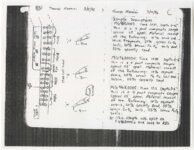
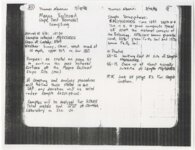
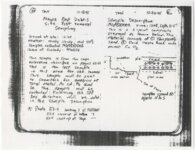
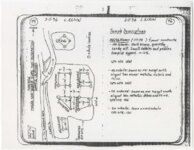
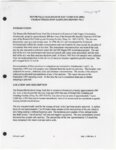
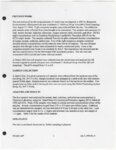
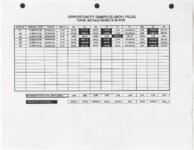
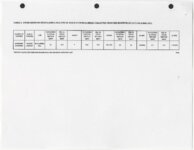
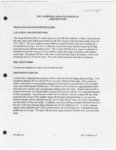
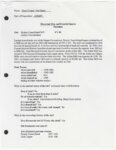
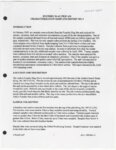
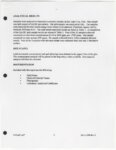
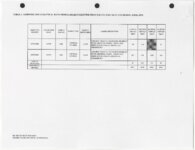
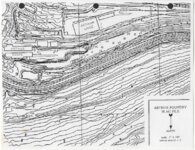
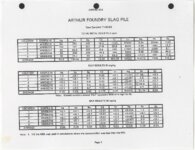
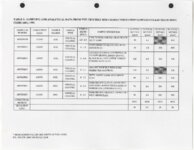
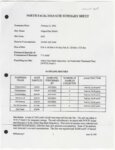
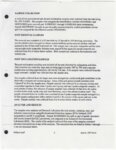
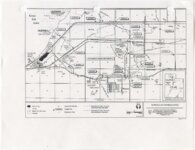
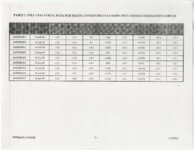
Show • SOIL SAMPLING AND ANALYSIS PLAN ADDENDUM Al0 ARTHUR FOUNDRY SLAG SITE (Al0) LOCATION AND DESCRIPTION The Arthur Foundry Slag Site is located approximately 600 feet east of the Arthur Central Shop~ (Dwg. No. 507-T-0173). The site covers an area of approximately 150 feet x 750 feet and is situated on a steep slope bounded on the north and south by railroad lines. The top of the pile is flat and can be accessed by a four-wheel drive vehicle. The pile slopes at the angle of repose toward the north. Bedrock outcrops locally to the south of the site but is mostly covered by sandy, gravelly beach deposits that likely underlie the site. The pile contains predominately slag mixed with soil and metallic debris. The slag is the waste product from the now demolished Arthur Foundry that produced brass and iron parts. PREVIOUS WORK • The slag pile was sampled in November and December, 1993, by Kennecott Utah Copper Corporation (Kennecott) personnel. Twenty-two samples were collected from five surface locations and seven test pits excavated to 4 feet below surface. The samples were analyzed for total metals (arsenic, silver, barium, cadmium, chromium, mercury, lead, selenium, and copper). The results of the total metals analysis indicated elevated levels of lead, chromium, and arsenic in several of the samples. Arsenic ranged from 27.1 to 499.6 parts per million (ppm) and averaged 103.35. Chromium ranged from 505 to 10130 ppm and averaged 4932.74. • Lead ranged from 47.2 to 193600 ppm and averaged 14478.02. The documentation for this investigation is included with this addendum as Attachment 1. PROPOSED SAMPLING AND ANALYSIS The previous sampling is considered an adequate evaluation of the slag pile but will be confirmed with additional sampling. Additional sampling will consist of excavating two pits at the base of the pile to several feet below the contact with the natural ground to determine the insite leachability characteristics of the slag pile materials. Two samples from each pit will be collected: one from 0 to 12 inches and one from 12 to 24 inches below natural ground contact. The samples will be analyzed for total metals (arsenic, cadmium, lead, and selenium). In addition to sampling, the perimeter of the pile will be surveyed and an accurate volume will be calculated. • A 1Oadde.doc• 1 July 1, 1996 Rev. 0 |