| OCR Text |
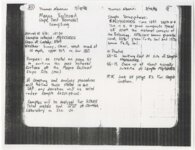
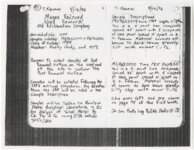
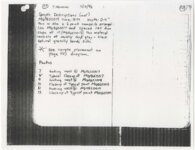
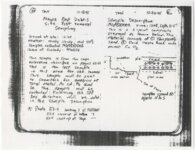
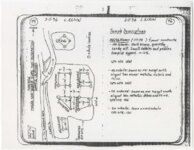
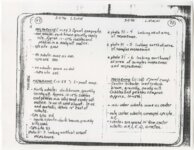
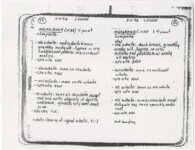
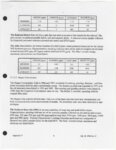
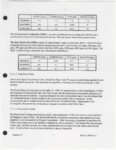
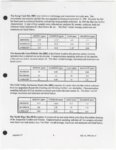
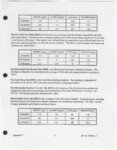
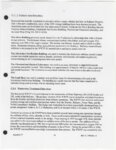
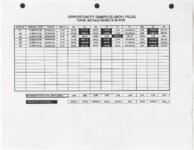
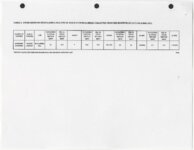
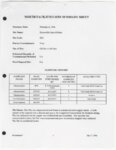
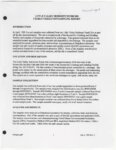
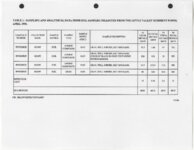
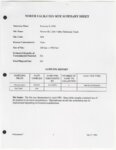
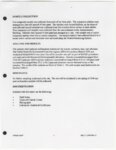
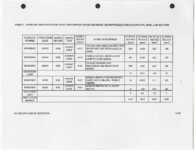
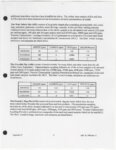
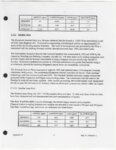
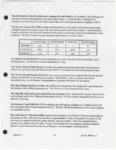
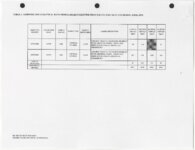
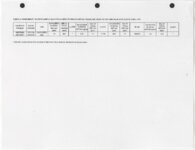
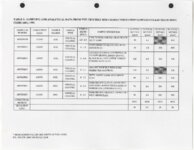
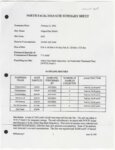
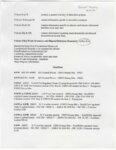
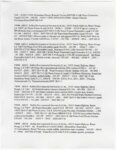
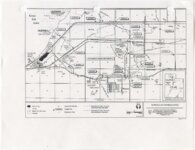
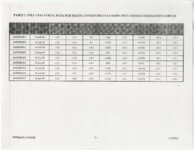
Show • LITTLE VALLEY SEDIMENT PONDS B04 CHARACTERIZATION SAMPLING REPORT INTRODUCTION In April 1995 five soil samples were collected from the Little Valley Sediment Ponds Site as part of the site characterization. The site is located south of the Bonneville Crushing and Grinding Facility and consists of four ponds connected by a drainage. Fine-grained sediment from an ore stockpile located upgradient has been eroded and deposited in the drainage. The samples were analyzed for arsenic, cadmium, lead, and selenium concentrations at Datachem Laboratory. One sample was split as part of quality assurance and quality control (QA/QC) procedures and analyzed at Kennecott Environmental Laboratory (KEL). None of the samples were found to contain elevated levels of any of the analytes, and the site is considered closed. LOCATION AND DESCRIPTION • The Little Valley Settlement Ponds Site is located approximately 4300 feet west of the Bonneville Security Gate and 2000 feet south of the Bonneville Crushing and Grinding Facility (Dwg. No. 507-T-0147). The site consists of four sediment ponds connected by a drainage. The ponds were created by the construction of dikes across the drainages. The ponds and connecting drainage are filled with ore eroded from stockpiles located immediately upgradient from the site . The eroded ore is water deposited in the ponds and drainages as a gray, well sorted, sandy silt. SAMPLE COLLECTION One sample was collected from each of the four ponds (upgradient to down gradient/Ponds 1 through 4 respectively). The samples were assigned the identification numbers BN95Z0028 through BN95Z003 l. Sample BN95Z0028 was a 5-point composite sample collected from Pond 1 and sample BN95Z0029 was collected from eight locations in Pond 2. Sample BN95Z0030 was collected from three locations in Pond 3 and sample BN95Z0031 was a grab sample collected from Pond 4. The sample material was collected from Oto 6 inches below the surface at each sample point. The sample material was a gray, sandy silt at all sample locations. ANALYSIS AND RESULTS • The samples were analyzed at Datachem Laboratory for arsenic, cadmium, lead, and selenium concentrations. One of the samples was split as part of QA/QC procedures and analyzed at KEL. The analyte concentrations were determined using United States Environmental Protection Agency (EPA) Preparation Method 3050 and EPA Analytical Method 6010 for metals. Table 1 lists the analytical results. Table 2 lists the split sample results . b04crpt.wpd* July 3, 1996 Rev. 0 |