| OCR Text |
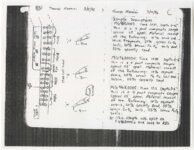
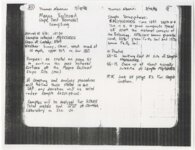
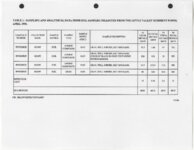
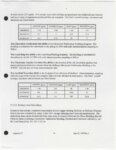
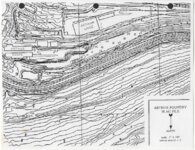
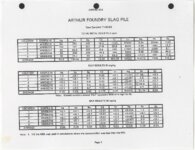
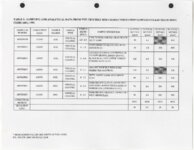
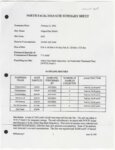
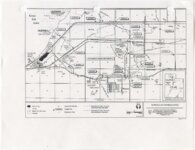
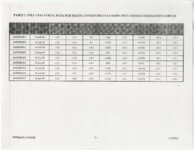
Show • FOUNDRY SLAG PILE SITE (Al0) CHARACTERIZATION SAMPLING REPORT INTRODUCTION In 1993, Kennecott Utah Copper Corporation (Kennecott) personnel collected characterization samples from the Foundry Slag Pile Site. This investigation identified elevated concentrations of arsenic, lead, chromium, and cadmium in samples collected from 0 to 4 feet below surface (see Foundry Slag Pile Addendum A0l, Attachment 1). The highest concentrations were found to be in the 0 to 1 foot below surface interval. Eleven additional characterization samples were collected from the site in February and March, 1995. Ten of these samples were analyzed for arsenic, cadmium, lead, and selenium concentrations. The 1995 sampling confirmed the presence of elevated metals in the top 1 foot of the slag pile. No other elevated metals concentrations were detected anywhere in the pile. LOCATION AND DESCRIPTION • The Arthur Foundry Slag Site is located approximately 600 feet east of the Arthur Central Shops (Dwg. No. 507-T-0136). The site covers an area of approximately 150 feet x 750 feet and is situated on a steep slope bounded on the north and south by railroad lines. The top of the pile is flat and can be accessed by a four-wheel drive vehicle. The pile slopes at the angle of repose toward the north. Bedrock outcrops locally to the south of the site but is mostly covered by sandy, gravelly beach deposits that likely underlie the site. The pile contains predominantly slag mixed with soil and metallic debris. The slag is the waste product from the now demolished Arthur Foundry that produced brass and iron parts. SAMPLE COLLECTION The 1995 characterization samples were collected from slag and soils underlying the slag. All but one sample was collected from trenches excavated with a backhoe. The primary goal of the 1995 characterization sampling was to determine the depth to the bottom of the slag and to sample and analyze the underlying soils for metal content to determine if leaching has occurred. Samples were also collected of the slag itself from various depths in the pile. Metals analysis of these samples were compared to those collected in the 1993 investigation. Samples were collected from six trenches excavated from the top of the pile to the underlying soil/natural ground, the limit of the backhoe, or until backhoe refusal occurred. In addition, samples were collected from underlying soils from three trenches excavated at the toe of the pile. The pile was surveyed by Plant Projects Group (PPG) surveyors and found to contain 28500 cubic yards of slag and debris. Refer to Dwg. No. 507-T-0136 for sample locations . • A 1Ocrpt. wpd* July 1, 1996 Rev. 0 |