| OCR Text |
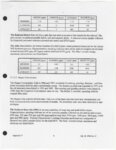
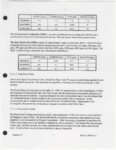
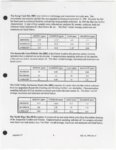
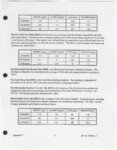
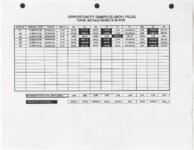
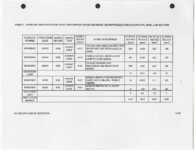
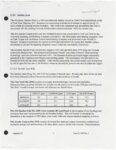
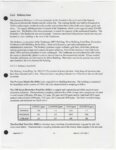
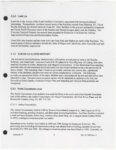
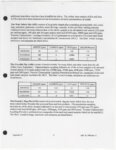
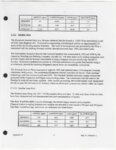
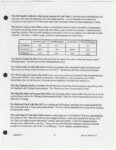
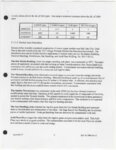
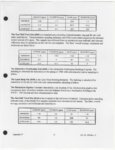
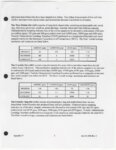
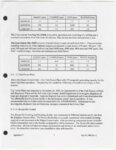
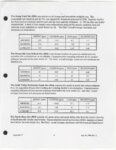
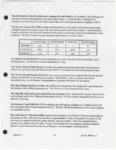
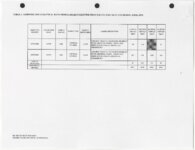
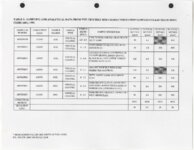
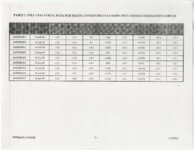
Show C.4.0 DATA QUALITY OBJECTIVES The purpose of data quality assessment is to assure that data generated under the QA/QC program is accurate and consistent with program objectives. The quality of the data will be assessed based on precision, accuracy, and completeness. Percent precision is the degree to which a measurement is reproducible and will be assessed by a comparison of split sample results. A relative percent difference (RPD) of 25% for the split samples is the precision goal. One split sample will be created for every 15 samples collected. Percent accuracy is a determination of how close the measurement is to the true value and will be assessed via spike recovery in sample matrices and blanks. This will be performed by the laboratory as part of their QA/QC procedures. Spike recoveries reported by the laboratories need to be within 20% of the spiked amount. Completeness is a measure of the amount of valid data obtained, compared to the amount that was expected under normal conditions. Ninety (90%) percent completeness is the goal of this Sampling Plan. Sludge and soils sampled from Kennecott North Facilities will be analyzed for concentrations of total lead, arsenic, cadmium, and selenium. Environmental Protection Agency Methods 6010/1 CP will be used for the analysis and EPA Method 3050 for the preparation. Debris will be characterized by both total (EPA Methods 3050/6010) concentrations oflead, arsenic, cadmium, and selenium and leachable (TCLP, EPA Method 1311) concentrations of the Resource Conservation Recovery Act (RCRA) eight metals. Results of the analysis will assist in determining disposal options. Soil left in place (following removal action procedures and criteria 04tlined in the Work Plan) will be characterized for leachability using the Synthetic Precipitation Leaching Procedure (SPLP/ EPA Method 1312) for the RCRA 8 metals. The results of the SPLP will aid in determining if the soil will affect groundwater quality. Borrow material will be analyzed for total (EPA Methods 3050/6010) arsenic, cadmium, lead, and selenium concentrations prior to placement. Table 1 lists the analytical methods to be used. Lead, arsenic, cadmium, and selenium were chosen as the indicator metals for the following reasons: • .• • To remain consistent with removal actions for similar waste materials; These metals were the most common elevated metals found during site characterization; and When soils with elevated levels of these constituents are removed, past experience and current studies have demonstrated other metal values have been reduced to acceptable levels. The total metal ALs for this Removal Action are as follows: • • • • 200 ppm Arsenic 1,000 ppm Cadmium 2,000 ppm Lead 1,000 ppm Selenium Appendix C* 16 July 18, 1996 Rev. C |