| OCR Text |
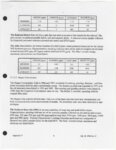
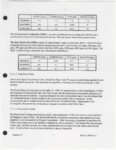
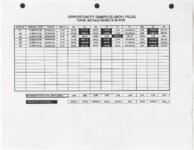
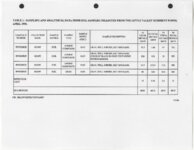
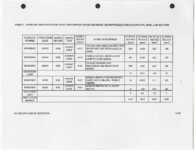
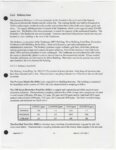
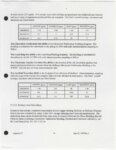
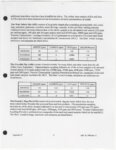
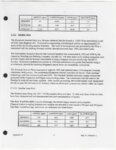
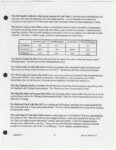
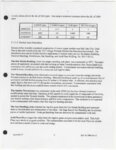
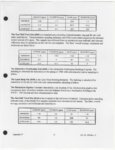
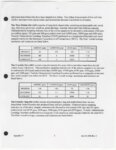
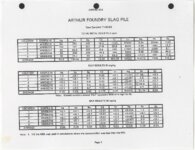
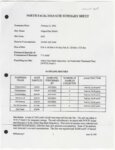
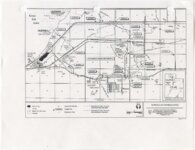
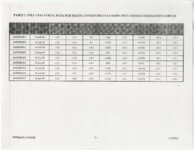
Show concentrations above the AL of 2000 ppm. One sample contained selenium above the AL of 1000 ppm. ARSENIC (ppm) CADMIUM (ppm) LEAD (ppm) SELENIUM (ppm) MINIMUM 3 0.25 4 4 MAXIMUM 8680 262 31600 1380 AVERAGE* 894 24 2395 92 C.3.2.2 Smelter Area Demolition Kennecott has recently completed construction of a new copper smelter near Salt Lake City, Utah. Due to this new construction, the 1977 vintage Noranda Smelter has been decommissioned. The demolition area can be divided into five main areas of interest which are the Hot Metals Building, Material Handling, Powerhouse, Gas Handling, and Acid Plant #8 (Dwg. No. 503-T-0215). The Hot Metals Building, where the copper smelting took place, was constructed in 1977. The major pieces of equipment associated with this building are three Noranda reactors, four Pierce-Smith type converters, two pelletizers, and the anode casting system. Contaminants associated with this building could be heavy metals related with concentrate and fugitive dusts. The Material Handling Area dried and conveyed copper concentrates from the storage area to the Noranda reactors in the Hot Metals Building. Material Handling is made up of several thousand feet of conveyors and belt feeders ranging from 24 inches to 48 inches wide. In addition, two stainless steel rotary dryers, that were used for drying the concentrates, are present. Contaminants associated with this building and structures could be heavy metals related with concentrate. The Smelter Powerhouse was constructed in the early 1900's but has been through numerous modifications since that time. Operating at full capacity it could supply the 15 megawatts of electricity needed to power the Noranda Smelter. The primary equipment in the powerhouse is three generators, two electric turbines, four steam turbines, and five screw compressors. This structure is not expected to be contaminated with metals other than fugitive tracking and dust. The Gas Handling Area collected the fugitive gases from the Hot Metals Building and conveyed them to the acid plant and subsequently to the stack. The large fans in Gas Handling are the primary pieces of usable equipment. Some gas handling flues are known to be contaminated with dust. Acid Plant #8 scavenged the sulfur from the fugitive gases and produced sulfuric acid. This Acid Plant, as a whole, is in good condition. The contaminants associated with the Acid Plant are sulfuric acid and heavy metals related to dusts and sludge. Appendix C* 11 July 18, 1996 Rev. C |