| OCR Text |
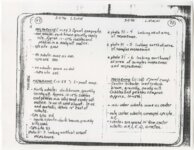
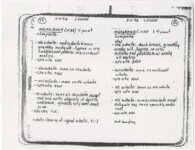
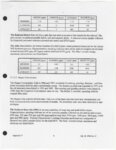
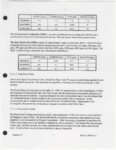
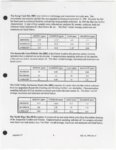
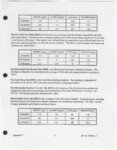
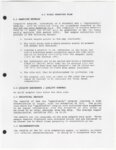
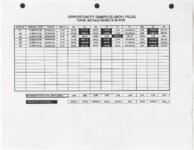
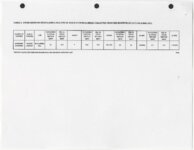
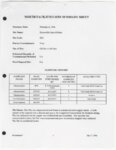
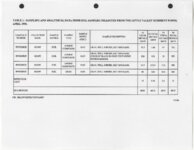
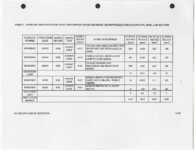
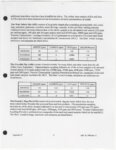
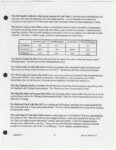
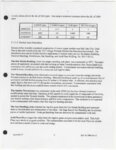
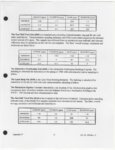
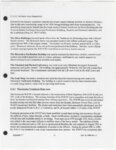
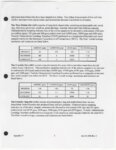
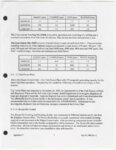
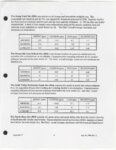
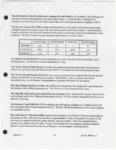
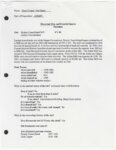
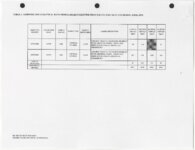
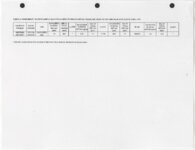
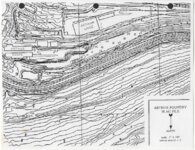
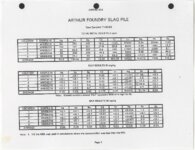
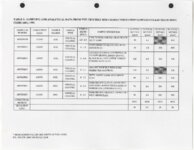
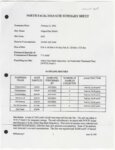
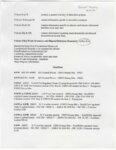
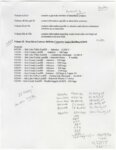
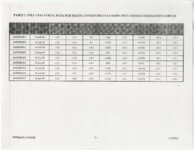
Show • ANALYTICAL RESULTS The samples were analyzed at Datachem Laboratory for arsenic, cadmium, lead, and selenium concentrations. Two samples were split as part of quality assurance and quality control (QA/QC) procedures. The split sample was analyzed at the Kennecott Environmental Laboratory (KEL) using United States Environmental Protection Agency (EPA) Methods 3050 and 6010. Only one sample analyzed contained elevated metal concentrations. This was the only sample collected from the near surface (sample AR95Z0061, 0 to 4 inches below the surface: lead 8100 parts per million (ppm) and arsenic 390 ppm). The other nine samples analyzed (three of slag and six of the underlying soils) resulted in concentrations mostly below detection limits. The three slag samples contained only minor lead (140,210, and 240 ppm). The slag samples were collected from depths ranging from 3 to 13 feet below surface. The samples of underlying soils were collected from immediately below the contact with the overlying slag. All were below the detection limit for all analytes except one sample for selenium (30 ppm). A complete list of the sampling and analytical data is included in Table 1. QUALITY ASSURANCE AND QUALITY CONTROL • Two samples were split and submitted to the Kennecott Environmental Laboratory as part of QA/QC procedures. There was only one set of analysis where both labs reported above the detection limit for the same analyte (lead) with a resulting relative percent difference (RPD) of 84.68% (reported values were 140 and 346 ppm). Although this is above the 25% RPD goal, the difference is more likely to be from non-homogeneous splitting than from lab error. Relative percent differences were not calculated for the remaining analysis because analytes were either not detected or were so low as to be insignificant. Table 2 list the split sample analytical results. DEPTH TO UNDERLYING SOIL/SLAG VOLUME Based on the trenches excavated from the top of the pile, depth to the underlying soil varies greatly (2 to> 15 feet). Usually the soil underlying the slag was not natural ground, but a fill soil. Fill soils were also identified from trenches between slag layers. It appears the ground beneath the slag pile was shaped, possibly several times, before and during the slag placement. Several historic topsoil horizons were also observed during trenching. The pile was surveyed by PPG surveyors and found to contain 55000 cubic yards of slag and debris. The volume of slag containing elevated metals is approximately 10500 cubic yards assuming a contamination depth of 1 foot. • A I Ocrpt.wpd* 2 July I, 1996 Rev. 0 |