| OCR Text |
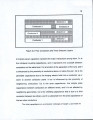
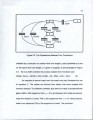
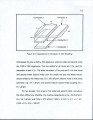
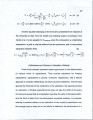
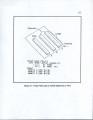
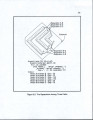
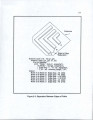
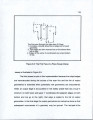
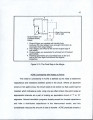
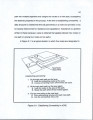
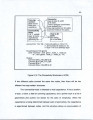
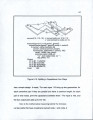
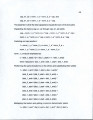
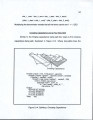
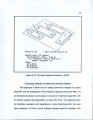
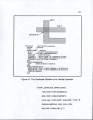
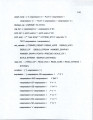
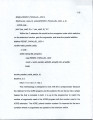
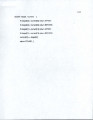
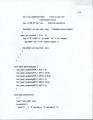
Show 83 area, a facility for measuring the perimeter of one area common to another area, and the facility for measuring the perimeter not common to another area. The use of these last two measurements to determine separation is evident in Figure 4.2 with the Checkmate program fragment that implements it. The generation of the seed shape is by oversizing the regions involved, by merging them, and then by undersizing the result by the same amount as the oversize. Then the original shapes are subtracted from the new shape to leave the area between the paths as the seed. The equation that goes between the measurement of the circuit and the capacitance is CAP = 3.9 * (L + W + 4) * 0.015E-15. The perimeter is decremented by 4 in an explicit statement not shown in the generation of the seed shape, and that is recovered by the additional '+4' in the equation. (Perimeters less than 4 can not be from shapes with valid data.) This equation does yield an approximate capacitance from the length and separation according to a simplification of the first formula discussed in Chapter 2. The 3.9 * 0.015E-15 is an approximation for farads per micron of perimeter, when the separation is about 4 microns. When ACRE is given the same constants as Checkmate the results are in agreement, because ACRE simply provides a more direct approach to that measurement with less computational time. The Checkmate run times are considerably longer than the ACRE run times because Checkmate does not have the direct circuit measurement capability of ACRE; instead it builds a device and measures that. Checkmate needed about 4 minutes for a task that |