| OCR Text |
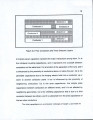
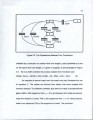
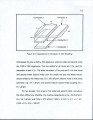
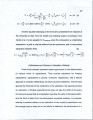
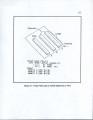
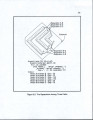
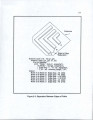
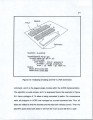
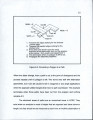
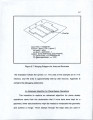
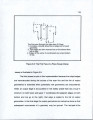
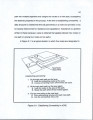
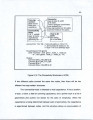
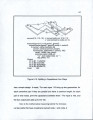
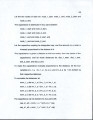
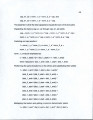
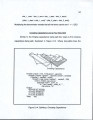
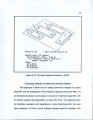
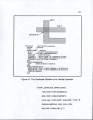
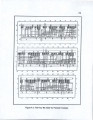
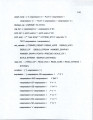
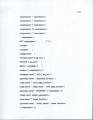
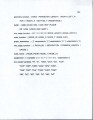
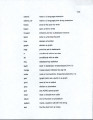
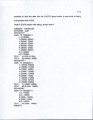
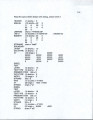
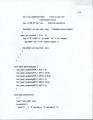
Show 46 foreach (node (CCA) cca_node) if ( cca_node.node_cap > 1e-9) print text nd.node_id, II 11 , cca_node.node_x, II cca_node.node_y, II 11 , cca_node.node_cap, 11\n"; The column of data produced by this statement identifies nodes, their locations, and the capacitances that put them above the threshold. Nodes can also come into existence by picking them through a special geometry node iterator. It would be of considerable assistance to circuit designers if they had such a rapid method for designating thresholds and generating analysis figures while interactively developing the circuit layout. Splitting Capacitance Among Four Nodes The measurement of capacitance, the use of point nodes, and the connectivity net all lead up to being able to divide a capacitance into four portions that are split across four nodes. Figure 3.13 illustrates a case where one capacitance is divided between the two paths and among the four end nodes of the two paths. The four resulting capacitors add up to the original, and the amounts are divided according to the distance to the nodes. Closer nodes are given more capacitance, or the capacitance is inversely proportional to the distance from the centroid of the capacitance to the nodes. The figure is followed by a program that illustrates an output split of four capacitors that adds up to the total. The coupling capacitance is assumed to be 1 00 arbitrary units. The Program below the example looks a little intimidating, but it really |