| OCR Text |
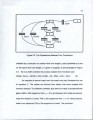
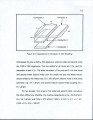
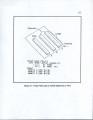
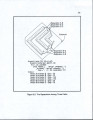
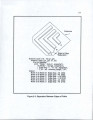
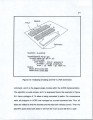
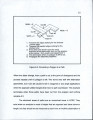
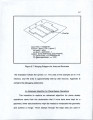
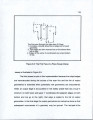
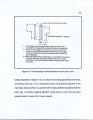
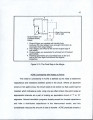
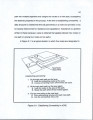
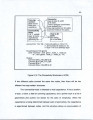
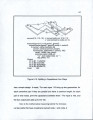
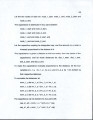
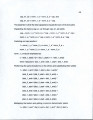
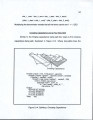
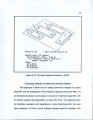
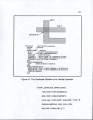
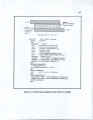
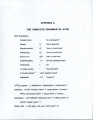
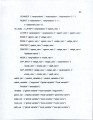
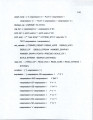
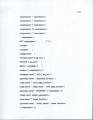
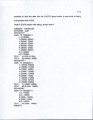
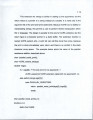
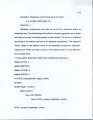
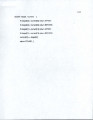
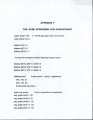
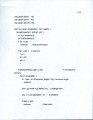
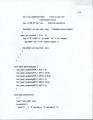
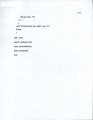
Show 33 measured. This indicates the region along which there is coupling. Crossing Occurrences Between Geometries Two illustrate two points, the next example in Figure 3.5 demonstrates the need for converting polygons to paths and the means for analyzing crossing capacitance. In this example two metal paths arbitrarily on layer 8 cross a 'T' shaped poly-silicon polygon on layer 4. The paths are 3 microns wide and the database units are 1/10 micron. In order to analyze the polygon, it needs to be converted into a set of paths. This happens with the 'to_path' command, where polygons on layer 4 are converted to paths on layer 40. The ACRE code for the crossing simply converts the polygons on layer 4 to paths on layer 40; that action also propagates the properties, such as node names, and then continues the analysis with crossing events. The code has a new function 'cross', which returns true if a right-angled intersection has occurred. ACRE does not provide the coordinates of the intersection, just the fact of one. That could be derived from the coordinates of the segments or through a simple extension to ACRE where a point comes into scope with the cross function. Area is simply determined as a multiplication in the print statement, but that could translate into coupling capacitance in a more sophisticated expression. Later examples cover the use of a database to collect or accumulate values and a connectivity scheme in which capacitance can be attributed to specific point nodes. About 3000 lines of code are used in the implementation of the 'to_path' |