| OCR Text |
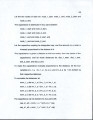
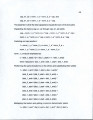
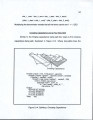
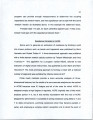
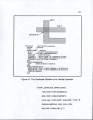
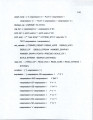
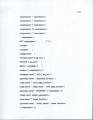
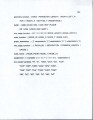
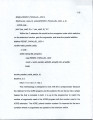
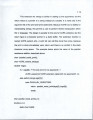
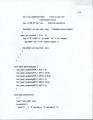
Show 66 data fields, and then a database 'put'. Each of these could have a failure or success status associated with it. All this functionality is captured in .a single ACRE database 'add'. To retrieve the data from an ACRE database, the 'foreach' iterator takes a database name as a single argument, and each time it returns, it loads the global names of each field with the values from the new record. The following example illustrates what might be a conditional print statement, where nodes with a capacitance greater than 500 fF are printed. This statement executes after all the data has been collected and prints a column of coordinates and values. foreach( cap_data) if ( cap_data:capacitance > SOOE-12) print cap_data:max_at_X," ", cap_data:max_at_ Y," ",cap_data:capacitance, "\n"; Objects in the ACRE System It might be insightful to list in one group the various objects that a user can have in the ACRE environment. There are one layout cell, one text-id mapper, multiple graphs, databases, layers, paths, polygons, texts, segments, two-cap-resistors, and nodes. For each object there is a set of methods that give access to the data of the object or bring into scope a component object. The layout cell is divided into layers, and most access requires only a layer as an argument. The usage is intended to provide access to all the |