| OCR Text |
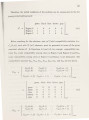
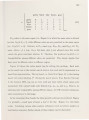
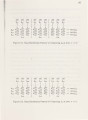
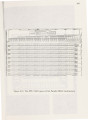
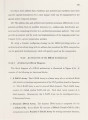
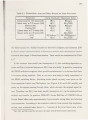
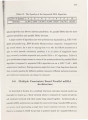
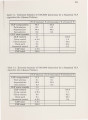
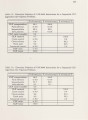
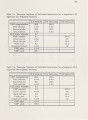
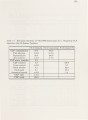
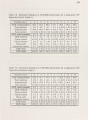
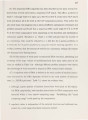
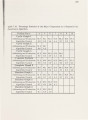
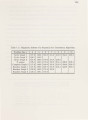
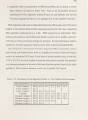
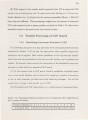
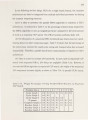
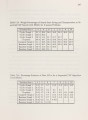
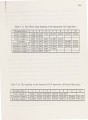
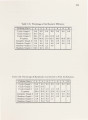
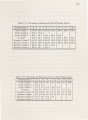
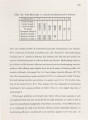
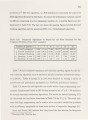
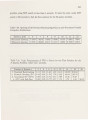
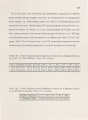
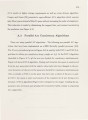
Show 264 workstation.13 The first algorithm, i.e., Fulllookahead, is essentially the sequential DRA algorithm discussed in this thesis. To reduce the performance variation caused by different computing structure (language, machine, etc.), speedup figures are also illustrated in Table 7.29. The last row shows the speedup figures between forward checking algorithm and the sequential DRA (i.e., fulllookahead) algorithm. Table 7.29. Sequential Algorithms to Search for the First Solutions for the N-Queens Problem (Time Unit: seconds). I Number of Queens n I 5 7 9 11 13 15 1. Full Lookahead 3.06 17.44 75.00 193.32 421.16 806.06 2. Partial Lookahead 2.04 10.22 45.02 112.86 240.84 445.46 3. Forward Checking 1.02 3.46 18.16 28.82 53.66 76.82 4. Speedup ( 3 over 1) 3.00 5.04 4.12 6.71 7.84 10.49 5. Speedup ( 3 ove't 2) 2.00 1.7 1.67 1.71 1.74 1.80 Table 7.30 lists simulated maximum and minimum speedup figures for the for-ward checking algorithm on an 8-processors parallel computer architecture simula-tor [120,191]. Tables 6 through 12 in [191] were obtained by varying a variety of architecture and performance parameters in a PASCAL architecture simulator. Table 7.31 shows the real algorithm run results within a logic programming environment (implemented inside an MU-Prolog interpreter on a VAX- 785 machine) for several constraint satisfaction algorithms. The results for forward checking (FC) (in the second row) are better than those in Table 7.29 for N ~ 14. This work indi-cates that logic programming can be used to solve constraint satisfaction problems with an efficiency comparable to those codes written in imperative languages [81 ). Stone and Stone [182) indicate that they found the first solution for 96-queens 13Courtesy of Mr. Wen-Yan Kuo. |