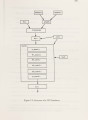
| OCR Text |
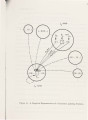
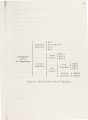
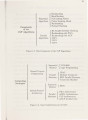
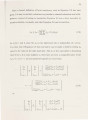
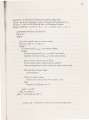
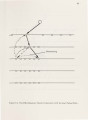
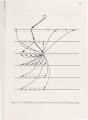
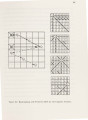
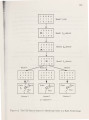
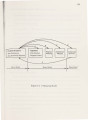
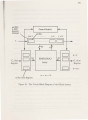
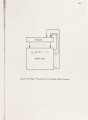
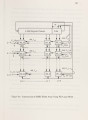
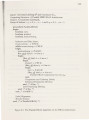
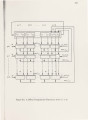
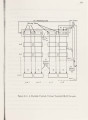
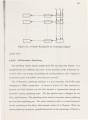
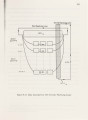
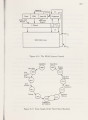
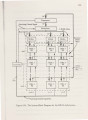
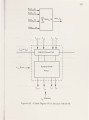
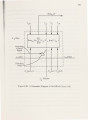
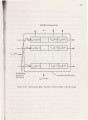
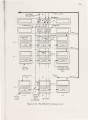
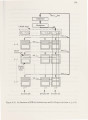
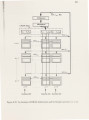
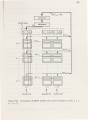
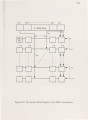
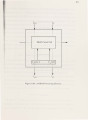
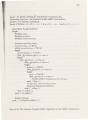
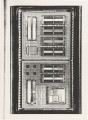
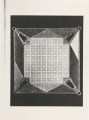
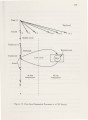
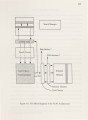
Show 248 those components produce a great amount of time delay. (5) Finally procedures Transfer-State (A, B) Solu-Check () , Path-Check() a.nd Save-Solution() in Search_A_CLP_Branch(level) should and could easily be parallelized. 7.3 Parallel CLPl Computer Architecture 7.3.1 CLPl Architecture Overview The block diagram of the CLPl architecture is shown in Figure 7.6. The CLPl architecture is an assemblage of the following six functional systems, i.e., a A Search Manager, the Search Cruiser, the Search Space Pruning Engine, the Parallel State Memory, the Solution Memory and the 1/0 Network. The top-level Search Manager exploits top-level parallelism and partitions a job into m subtasks in each branch. All the subtasks are executed sirnultaneously.8 For each of them, a Search Cruiser controls a depth-first search path, while an optimal DRA5 processor is assigned in each branch to serve as a Search Space Pruning Engine. Search-state saving and restoring are performed in a highly parallel fashion. For problems of practical interest, at least several orders of magnitude of efficiency improvement can be easily reached. The parallel CLPl architecture was designed in early 1988 [68) and can easily be integrated and implemented using wafer-scale fabrication techniques (see Section 6. 7 and [93,94,95]) . To be concise, the following introduction of parallel CLPl architecture will be on the architectural model level. Detailed architecture design and specifications are in [68) . 13In the following CLPl machine design , architecture supports for one search branch are described first. |