| OCR Text |
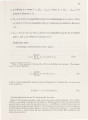
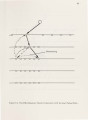
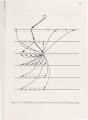
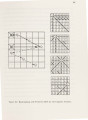
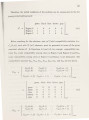
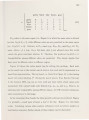
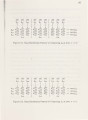
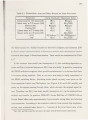
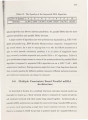
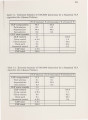
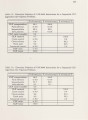
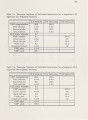
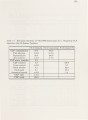
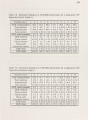
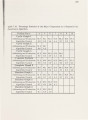
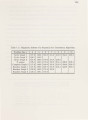
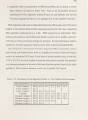
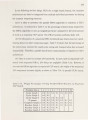
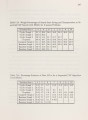
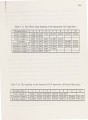
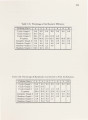
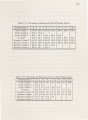
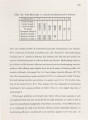
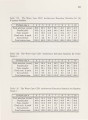
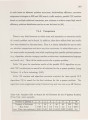
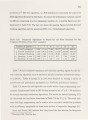
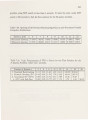
Show 258 heuristic efficiency weighs high in problem instances with regular network struc-tures and analytically defined relations (e.g., in cyclic graph 2, cyclic graph 3 and the n-queens problem), and weighs the least in problem instances with random relations (e.g., in cyclic graph 1, complete graph 2 and random graph 1).12 The rest of the problem instances with random network structures and analytical relations (e.g., random graph 2 and random graph 3) have heuristic efficiencies in between. According to the values of heuristic efficiency, one can to some extent conceive how "definite" the knowledge used in the search is and how "accurate" the search is under this heuristic (some second order effects also relate to the growth rate of the number of solutions [68]). For example, there is a fixed network structure and defi-nite relations in the n-queens problem. Therefore, its heuristic efficiency represents implicitly more definite and stronger knowledge than those in, say, random graph cases. Another aspect of the search accuracy can be revealed based on backtracking statistics. As seen in Table 7 .20, within each problem instance, there is some degree of correlation between contributed backtracks that were performed in order to find all solutions and the heuristic efficiency. This might not be true when comparing with different problem instances. It has been made clear that in cases where random relations were applied and there are no solutions (or empty solution) that were found (e.g., in cyclic graph 1, complete graph 2 and random graph 1), all (100 percent) of the backtracks were wasted (see Table 7.21) and the search tree cruise appears in a more fixed "cruising pattern" no matter what kind of network structures were used (see cyclic graph 1, complete graph 2 and random graph 1 in Table 7.22). Table 7.23 gives statistics about the average number of total backtracks (numer- 12In a board sense, one can also consider this is 100 percent of effort spent on proving no solutions. |