| OCR Text |
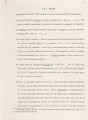
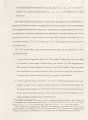
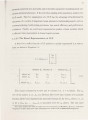
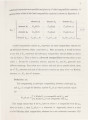
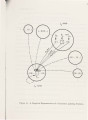
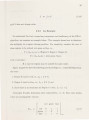
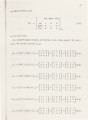
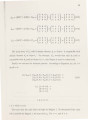
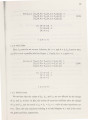
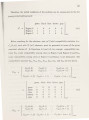
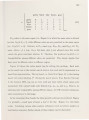
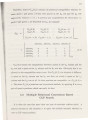
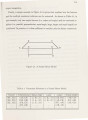
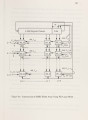
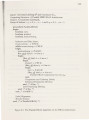
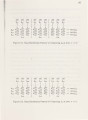
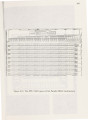
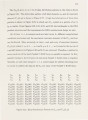
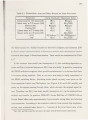
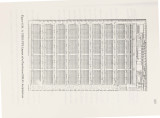
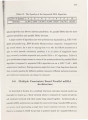
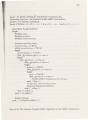
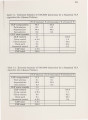
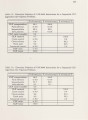
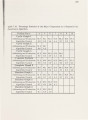
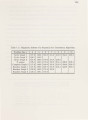
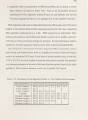
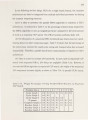
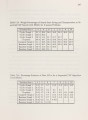
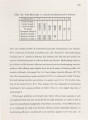
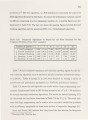
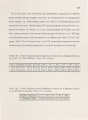
Show 263 in such issues as inherent problem structures, backtracking efficiency, processor assignment strategies in SBS and SDS search, traffic analysis, parallel CLP machine based on multiple relational constrains, new schemes to achieve super high search efficiency, solution distribution and so on can be found in [68). 7 .4.5 Comparison There is very little literature in which some real simulation or execution results of a search problem can be found. In addition, there have seldom been any results that were obtained on the same basis. Thus it is clearly infeasible for one to make any absolute comparisons and derive any firm conclusions. In what follows next, we list some results we presently have while explaining their specific problem instances (e.g., algorithm, solution category, machine architecture, implementation language and result, etc.) . Most of the results are for the n-queens problem. Table 7.28 gives the simulation results of the parallel CLP1 algorithm on par-allel CLP 1 architecture to search for all solutions for the n-queens problem (using TriQuint 1.0 J-L GaAs technology [188]). Table 7.29 contains real algorithm execution statistics for three special CLP algorithms (70] to search for the first solutions for the n-queens problem. The algorithms were programmed using Common Lisp and were run on an HP BobCat Table 7.28. Parallel CLP1 to Search for All Solutions for the N-Queens Problem (Time Unit: micro seconds). Number of Queens n 4 5 6 7 8 9 10 Number of Solutions 2 10 4 40 92 352 724 Run Time 0.03 0.1 0.2 0.6 2.2 8.2 299.5 Ave. Time (per solution) 0.012 0.01 0.05 0.015 0.023 0.023 0.4 |