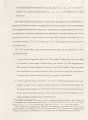
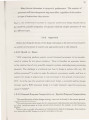
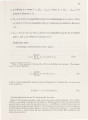
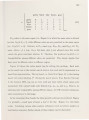
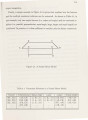
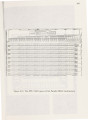
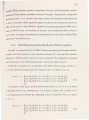
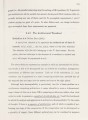
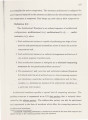
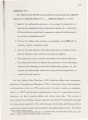
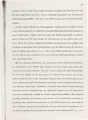
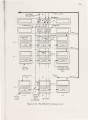
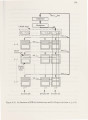
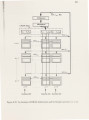
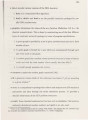
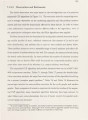
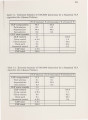
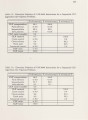
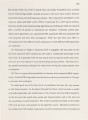
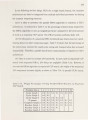
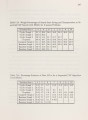
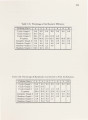
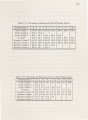
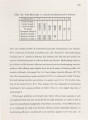
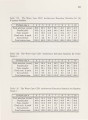
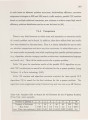
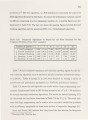
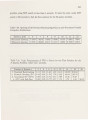
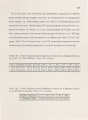
| OCR Text |
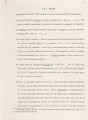
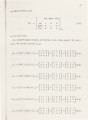
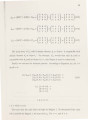
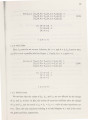
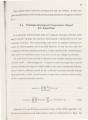
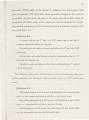
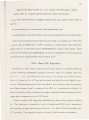
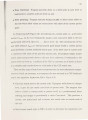
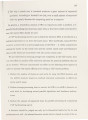
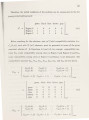
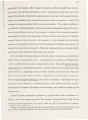
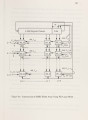
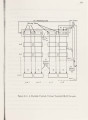
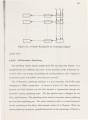
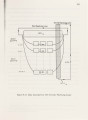
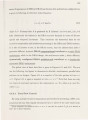
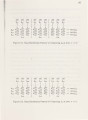
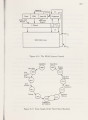
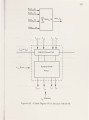
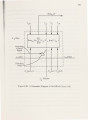
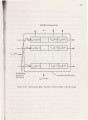
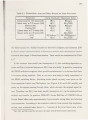
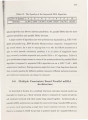
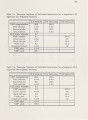
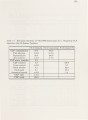
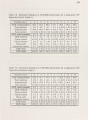
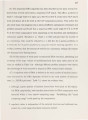
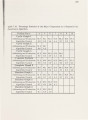
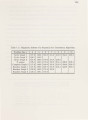
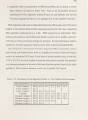
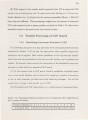
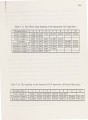
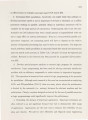
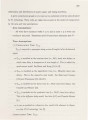
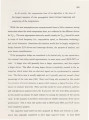
Show 246 In the following we first design CLP 1 for a single search branch, the complete architecture can then be integrated from multiple individual processors by sharing the common computing resources. (2) It is ideal to introduce the parallel DRA5 algorithm to construct a CLP1 architecture. As indicated in Table 7 .14, the percentage of instructions required for the DRA5 algorithm is now an insignificant factor compared to the total amount of work in a sequential CLP search. The DRA5 heuristic performs fairly well. (3) The elimination of a sequential DRA bottleneck may create some new speedlimiting factors in other computing stages. Table 7.15 shows that the percentage of the instructions executed for search-state saving and transportation has increased dramatically. Therefore, parallel search-state communication is required in CLP 1 architecture. (4) There is a need to increase 1/0 bandwidth. In most cases in sequential CLP search (with sequential DRA), 1/0 delays are negligible (Table 7.13). However, if one uses the DRA5 algorithm in sequential CLP search, the weight of the sequential I/0 component increases slightly as shown in Table 7.16. In parallel CLP1 search, Table 7.14. Weight Percentages of Using Parallel DRA5 Heuristic in Sequential CLP Search. Problem Size n I 4 I 5 I 6 I 7 I 8 I 9 I 10 I Cyclic Graph 1 0.3 0.2 0.2 0.1 0.1 0.1 0.1 Cyclic Graph 2 0.2 0.2 Cyclic Graph 3 0.4 0.3 0.3 0.2 0.2 N-queens 0.6 0.3 0.3 0.2 0.2 0.1 0.1 Complete Graph 2 0.3 0.2 0.2 0.1 0.1 0.1 0.1 Random Graph 1 0.5 0.3 0.2 0.1 0.1 0.1 0.1 Random Graph 2 0.3 0.2 0.2 0.1 Random Graph 3 0.4 0.2 0.2 |