| OCR Text |
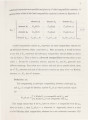
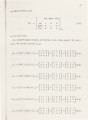
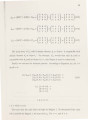
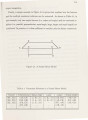
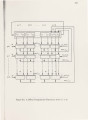
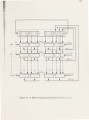
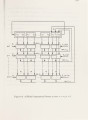
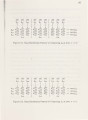
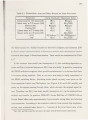
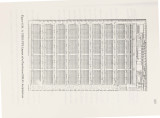
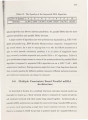
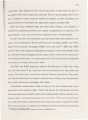
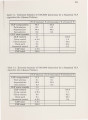
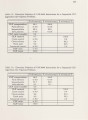
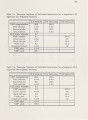
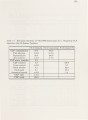
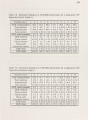
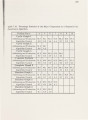
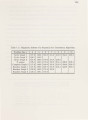
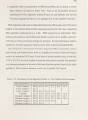
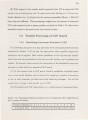
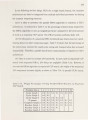
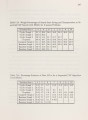
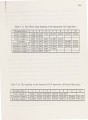
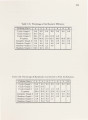
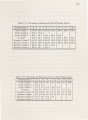
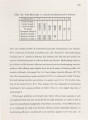
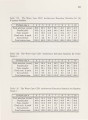
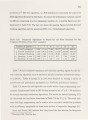
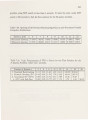
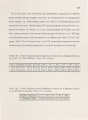
Show 261 cial and destructive operations (often termed heuristics) in the original algorithm. Those extra computations might not be a problem for small size search problems or for certain specific problem instances and usually they do not fit into a theoretical asymptotic behavior and complexity analysis. As the problem size increases, those artificial operations become serious bottlenecks. Another important reason is that as more sequential operations are parallelized in a parallel algorithm, these extra sequential operations might become new bottlenecks and hence dominate the asymptotic behavior of the algorithm. 7.4.4 CLPl Execution Statistics Compared to machine instruction execution statistics illustrated in Tables 7.1 through 7.9 for a sequential CLP algorithm, Table 7 .25, Table 7.26 and Table 7.27 present simulated worst case execution percentage statistics for the parallel CLPl machine (without m search branches) for the same problems. For parallel CLPl algorithm, major sequential processes reside in path selection, execution of DRA5 and search-state communication. Parallel DRA5 heuristic weighs higher in particular in cases of searching for nonempty solutions (e.g., in the n-queens problem) and spreads more evenly in cases where there is no any solutions that were found (e.g., in Table 7.26 and Table 7.27). One of the simple heuristics in the above sequential and parallel CLP algorithms, called "Free" Lookahead Range {FLR), was implemented in the CLP simulator. It takes a couple clock cycles in parallel DRA architectures for FLR to perform earlier search prediction. However, this technique saves a large amount of further search effort within a range of several deep search levels. For the n-queens problem discussed in this chapter, on average three to four levels of search work can be saved if FLR technique is applied. More discussion on recent research and development |