| OCR Text |
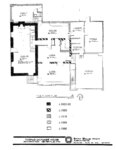
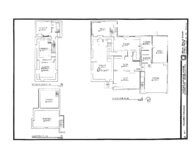
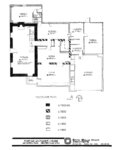
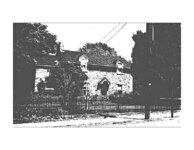
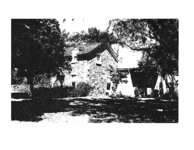
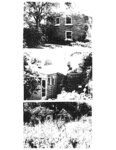
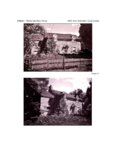
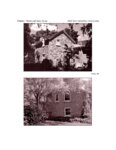
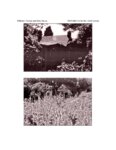
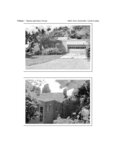
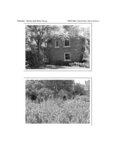
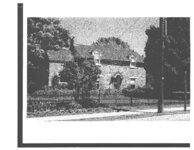
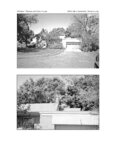
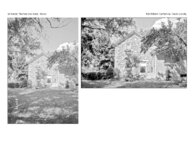
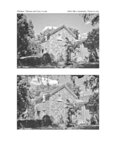
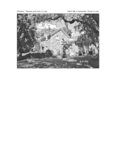
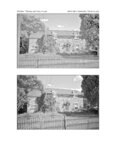
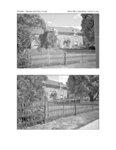
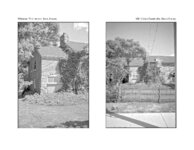
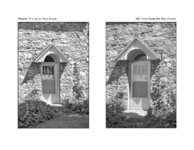
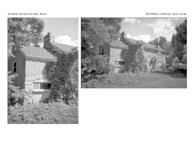
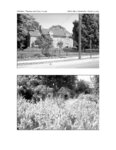
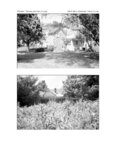
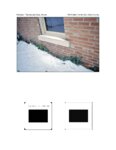
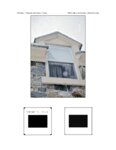
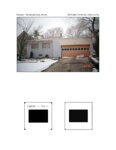
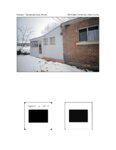
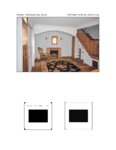
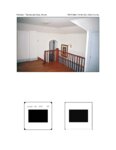
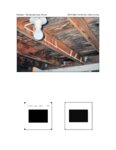
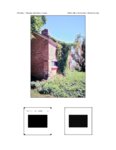
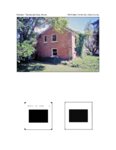
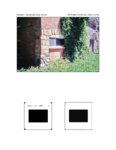
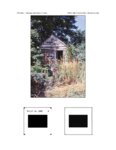
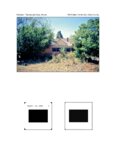
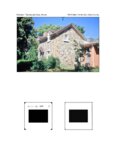
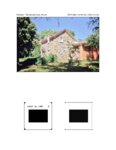
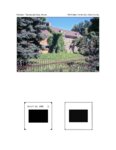
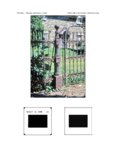
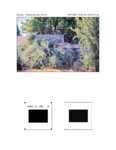
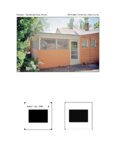
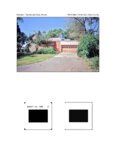
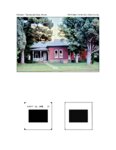
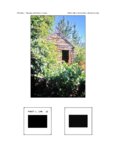
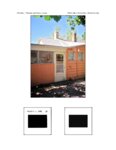
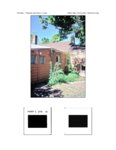
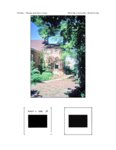
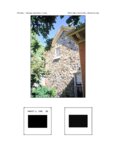
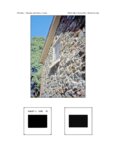
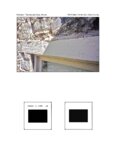
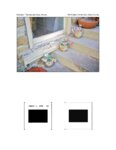
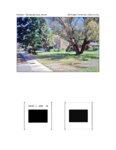
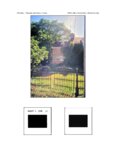
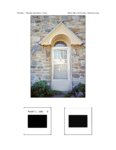
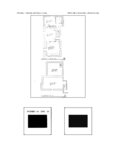
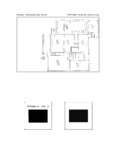
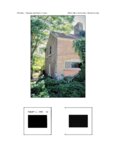
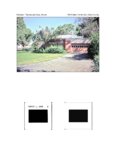
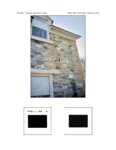
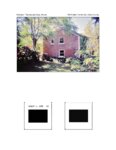
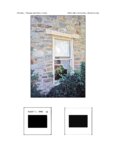
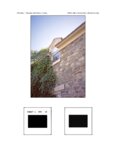
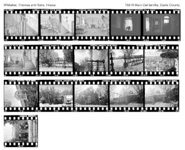
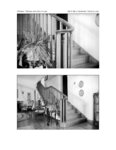
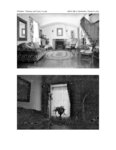
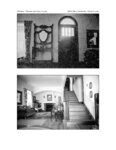
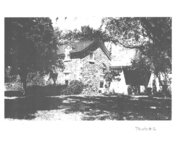
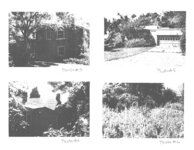
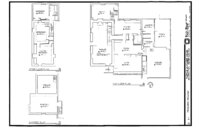
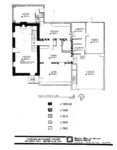
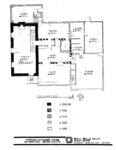
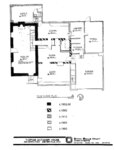
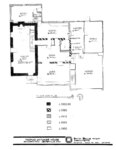
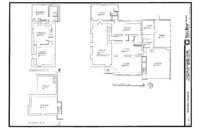
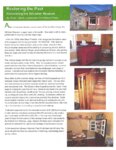
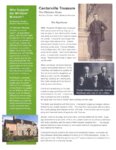
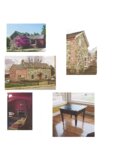
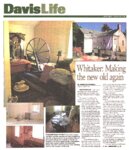
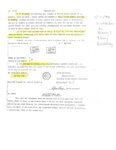
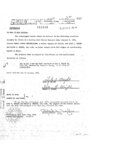
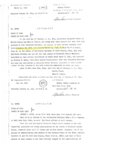
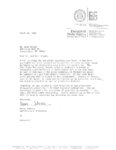
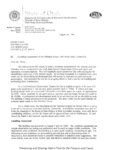
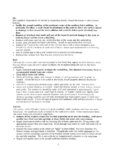
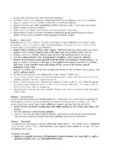
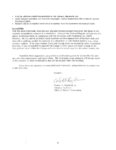
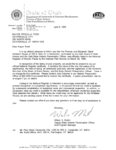
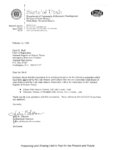
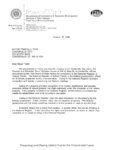
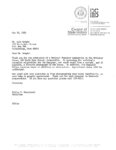
Show ~ I I, St te of Utah II Michael O. Leavitt Governor MaxJ.Evans Director I I.... I I Department of Community & Economic Development Division of State History Utah State Historical Society ·300 Rio Grande Salt Lake City, Utah 84101-1182 (801) 533-3500 FAX: (80 1) 533-3503 July 27, 1995 DAVID HALES CENTERVILLE CITY 250 NORTH MAIN CENTERVILLE UT 84014 RE: Condition Assessment of the Whitaker House Dear Mr. Hales: We are pleased to assist Centerville City with initial planing for the rehabilitation and reuse of the historic Whitaker House. The meeting today and time spent walking through and around the house were most informative. I was pleased to see the relatively good condition and cleanliness throughout the building. While there are a few rather problematic stairs-andheadroom problem areas, it seems from first glace, to be a very serviceable building (as well as quite attractive from an historic viewpoint). Early next week, I will discuss scheduling the 'building doctor'/condition assessment visit with Roger Roper and Don Hartley. I am confident we can complete the assessment and prepare a range of recommendations to the city prior to the meeting scheduled for August 31 st. In the short term, there are a few areas at the site that would benefit from immediate attention: 1. Modify the watering of the lawn and landscape to prevent any spraying on or near the house. (I spent several minutes adjusting the sprinklers this morning to try and keep them from 'watering ' the building.) It is very important to keep the building walls, windows and window sills as dryas possible. Some different types of adjustable lawn sprinklers might be needed. 2. Remove all the virginia creeper and ivy that is growing on or near the building. Both plants quickly force their way into openings in stone, brick and wood and cause damage. Removing this vegetation (it pulls off quite easily) will also allow a better condition assessment (by our office) and facilitate measuring the building for creating existing floor plan drawi ngs (by others). 3. Mow or plow the weeds in the rear of the lot to minimize fire hazard to the house and frame outbuilding. 4. Create a drainage swale east of the rear door to the northern, carriage house addition. It looks like water has entered under this door -- its threshold is actually below the adjacent grade level. A simple swale could be constructed with a few sand bags and some plastic sheeting. The swale should direct any surface water around the corner of the brick addition · Board of State Hi story: Marilyn C. Barker • Dale L. Berge • Boyd A. Blackner • Peter L. Goss Davi d D. Han se n • Carol C. Madsen • Dean L. May • Christie Needham • Thomas E. Sawyer • Penny Sampinos • Jerry Wylie |