| OCR Text |
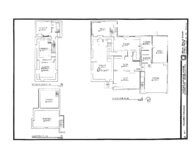
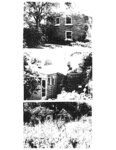
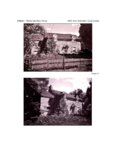
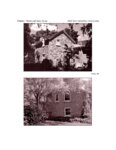
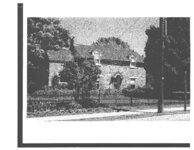
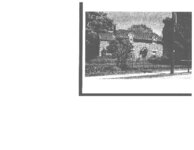
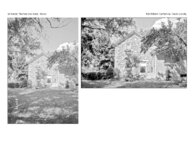
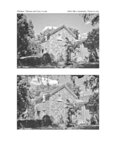
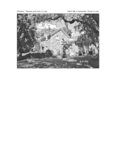
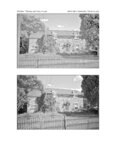
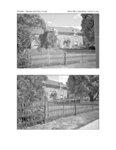
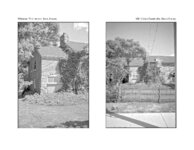
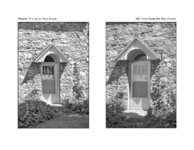
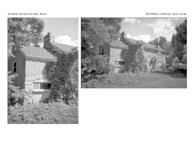
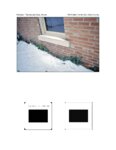
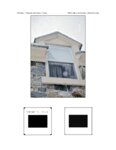
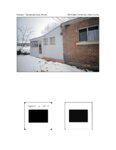
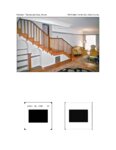
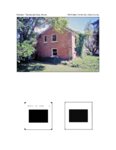
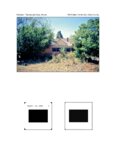
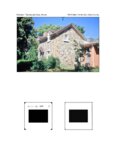
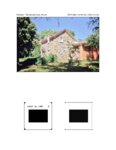
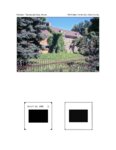
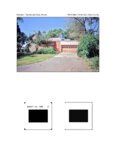
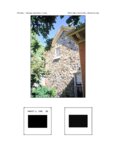
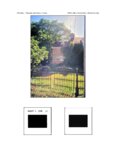
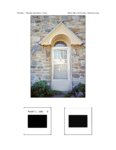
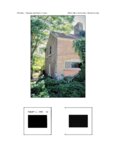
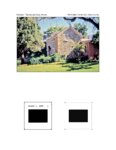
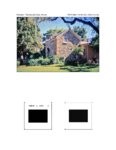
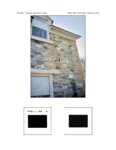
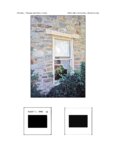
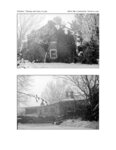
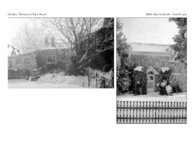
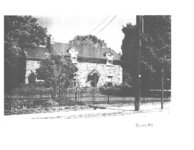
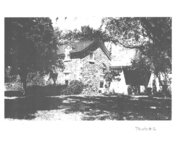
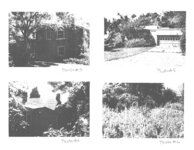
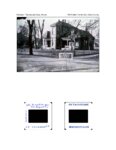
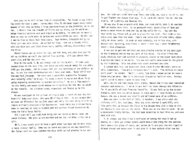
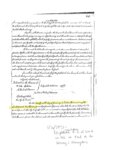
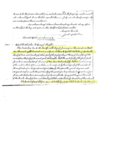
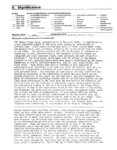
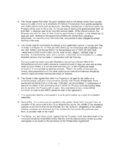
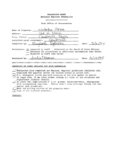
Show 8. Significance " .::..:--=:..:...::~.:.....-----------------------.--;... Period _ prehistoric _140(}-1499 _ 150(}-1599 _160(}-1699 _ 170(}-1799 ~ 180(}-1899 _190(}- Specific dates Areas of Significance-Check and justify below _ archeology-prehistoric _ community planning _ archeology-historic _ conservation _ agriculture _ . economics ~ architecture _ education _ engineering ._ _art _ exploration/settlement _commerce _ industry _ communications _ invention c . ) 870 Builder/Architect Statement of Significance (in one paragraph) . _landscape architecture_· religion _. _ law _ science _ literature _ sculpture _ military _ social! _ music humanitarian _ ._.. philosophy _theater _ transportation _ politics/government . _ ._ other (specify) probably Char] es Duncan :.. I .'. • :;. :~ The Thomas Tingey House, probably built in the early 1870s, is significant as a well preserved example of the early stone vernacular architecture of northern Utah. Stone houses in Utah were built in those locales where stone and masonry ski.lls ..were . available, primarily during the period from the 18605 to the 1880s. That period coincided with the second phase of construction technology i .n Utah, character; zed by the emergence of ski 11 ed masons and carpenters who coul d c onstruct .l arger, more permanent and more attracti ve buil di ngs. 1 The fi rst phase, which begin wi th the ' arri va 1 o'f the ~40rmon · .. . .. ploneers 1 n l/jq./, prOduced nouses wm eh were usua I Iy constructed by tne owners themselves or readily available materials, such as logs, adobe Df1CKS, and fi e 1 d stone. Jhese house s were usua I Iy 1 ntenaed as on Iy temp orary or subsistence-level structures to be used only until the settlers were able to establish a dependable livelihood and could afford to construct larger and more permanent homes. The emergence of stone houses not only represen~sthe developing permanence of the' communities in which they were built and the growing prosperity of the people who had them built, but also dOCuments the phase of constructi on technology between that of the settl ement peri od and the later phase which began in the 1880s with the availability and extensive use of fi red b ri ck and the i nfl ue nce of nati ona 1ly" p opul ar archi tectura 1 styl e s and construction methods on the local building industry.2 The Tingey House is typical of mani of the stone houses built at that time both in Centerville and throughout the ·state wi th 1 ts symmetrl cal tacade, rectangul ar shape, gable end chimneys and· lack of. ornamentation~ : ; It :was probably built by Charles Uuncan and hi s sons, the primary stone masons in the Centervi 11 e area, who were noted for thei r ·use at granite quoi ns, such as are on thi s house. Most, 1 f not a II, of tne approXl manHy "two Gozen remal n1 ng s"tone house S 1 n L.e ntervi 11 e have been: a ltered, some s i gnifi cantly, and although thi s ;hoUse 'has . undergone some alterations, it ~tains most of its original integrity. Monnon pioneers were the first settlers in the Centerville area beginning in H~48, -one year after thei r arrival in Utah. Primari ly farmers and herdsmen, the early settlers found the location suitable due-to its good soil and the avai laDlllty or wa"ter rrom severai moum:aln s"treams. Ineir earllest nones were temporary log structures made trom trees cut in the nearby canyons, but as the settlement became more estaollsned and permanent, aaoDe nouses were constructed. stone was used in the construct; on ot some ot tne early struc"tures, out 1 t was not untl I "tne I~OUS tnat l"t Decame a pOpUI ar ana important building material in centerville and n2ighboring ccmmunities. Located along the base of the Wasatch Nountai ns, the to'.1 ns ot rarml ngton, Centerville and Bountiful all used stone extensively in the construction of houses, mills, granaries, fences and culverts. Stone was obtained from dry creek beds and the rocky benchland. Ihe stone houses bui It during the periOd from the H50US tnrough tne 1/j/jUS we re some or "tne I arg est and mos"t permanent hcxnes built in Centerville. Few of the log or adobe hous ~ s ilave survived, and |